
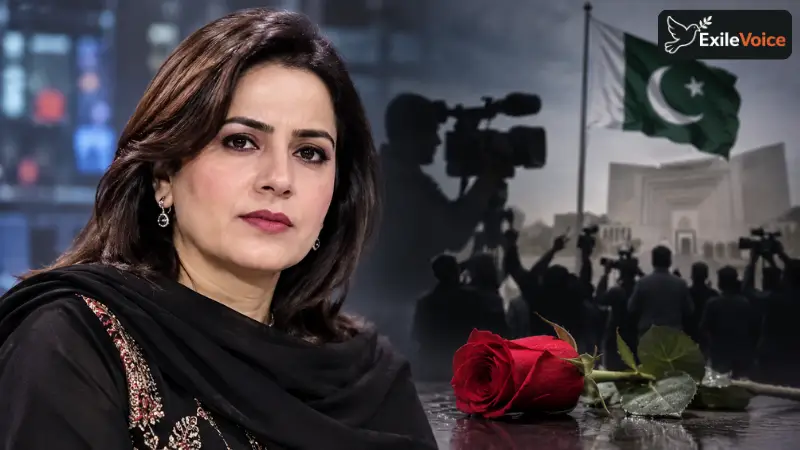
The recent tragic killing of prominent Pakistani journalist and anchor Rabia Awan in Rawalpindi has sent shockwaves through the media community, sparking urgent discussions regarding the safety of journalists and domestic security within the nation. Rabia Awan, aged 41, was found dead in her residence under circumstances that have prompted widespread grief and condemnation from journalistic bodies and human rights advocates alike.
According to initial reports from local law enforcement and statements provided by the City Police Officer (CCPO), Awan was found in her bedroom with a fatal neck wound. Her husband was subsequently taken into custody by authorities following preliminary investigations, with statements indicating that an incident involving a firearm occurred at the residence. However, the exact sequence of events, forensic details, and underlying motives remain under active scrutiny by investigators and civil society groups demanding transparency.
The incident has amplified deep-seated anxieties concerning the pervasive dangers faced by media professionals operating in challenging environments. Beyond the immediate tragedy of domestic violence or targeted professional retaliation, the case highlights the systemic vulnerabilities that women in media often encounter. Colleagues and press freedom advocates have pointed out that the loss of a bright, dedicated journalist is not only a devastating blow to her family and friends but also an alarming indicator of the broader challenges confronting the fourth estate in Pakistan.
As investigations unfold, pressure is mounting on legal and judicial authorities to ensure a thorough, impartial, and transparent inquiry into the circumstances surrounding her death. The journalistic fraternity has rallied together to demand accountability, emphasizing that the protection of media workers must remain a paramount priority for state institutions and law enforcement agencies. Ensuring justice in this case is viewed by civil society as a critical test of the state's commitment to upholding the rule of law and safeguarding the lives of its citizens, particularly those whose voices illuminate public discourse.