The legal landscape in Islamabad witnessed intense courtroom dynamics as high-stakes appeals and petitions regarding prominent political detainees came under judicial scrutiny. Recent hearings at the Islamabad High Court brought procedural controversies to the forefront, particularly regarding legal representation and the management of high-profile cases involving incarcerated figures. Legal teams voiced significant concerns over restricted access, procedural hurdles, and the imperative need for independent medical evaluations for detainees facing severe health deterioration while in custody.
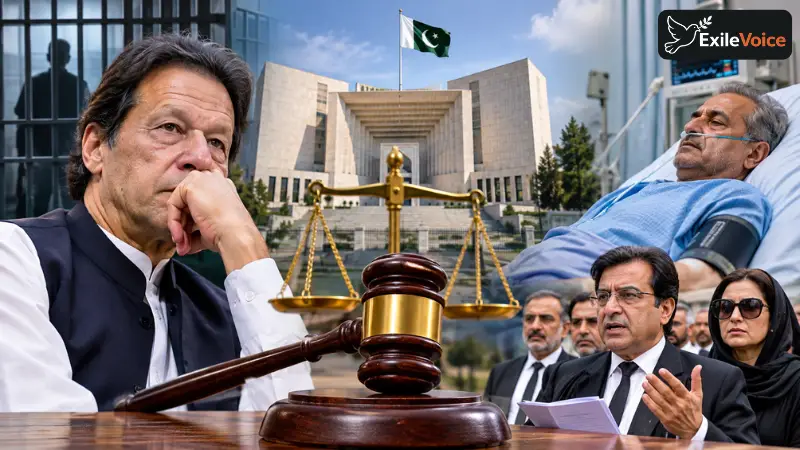
Defense counsels formally raised alarming medical disclosures regarding detained individuals, emphasizing critical health metrics that point toward severe cardiovascular and ophthalmological risks. Reports highlighted dangerously elevated blood pressure episodes reaching critical thresholds, prompting urgent appeals for specialized hospital care and independent medical supervision. Despite these pressing medical appeals, judicial proceedings focused heavily on procedural alignments, roster adjustments, and the authorized representation permitted to present arguments before the bench.
Parallel petitions filed before the Supreme Court sought to enforce prior directives mandating specialized medical treatment and institutional relocations for detained political leaders. Legal experts argued that prolonged delays in addressing these fundamental health and due process concerns undermine constitutional protections. As legal teams navigate these complex institutional hurdles, the intersection of judiciary actions, medical necessity, and political confinement remains a central focal point of national discourse.