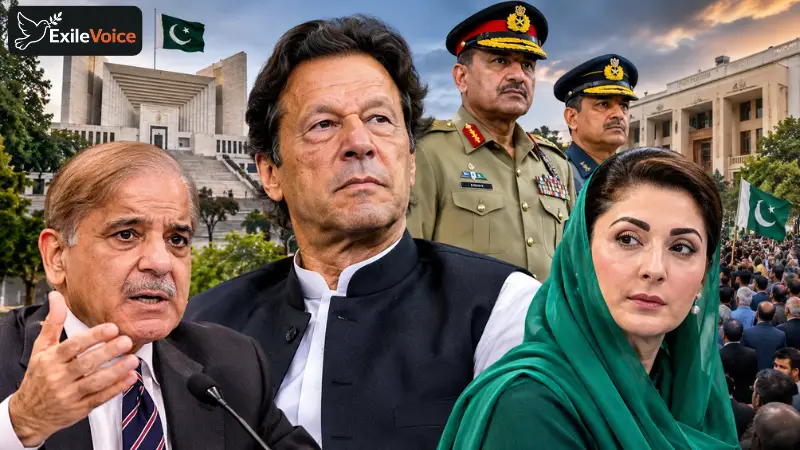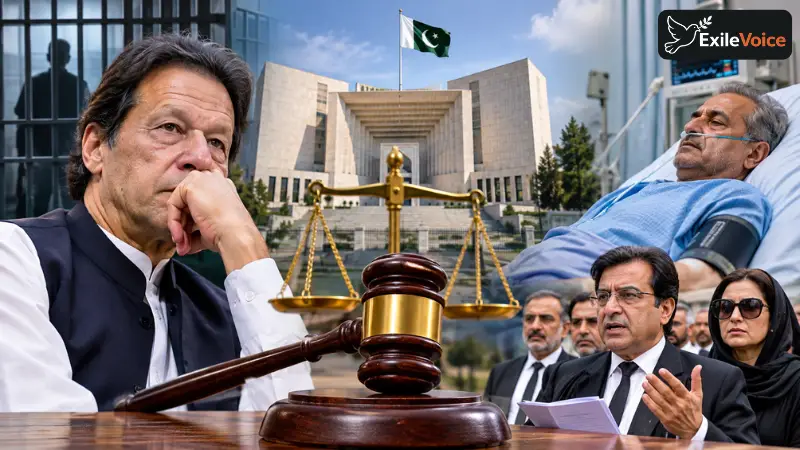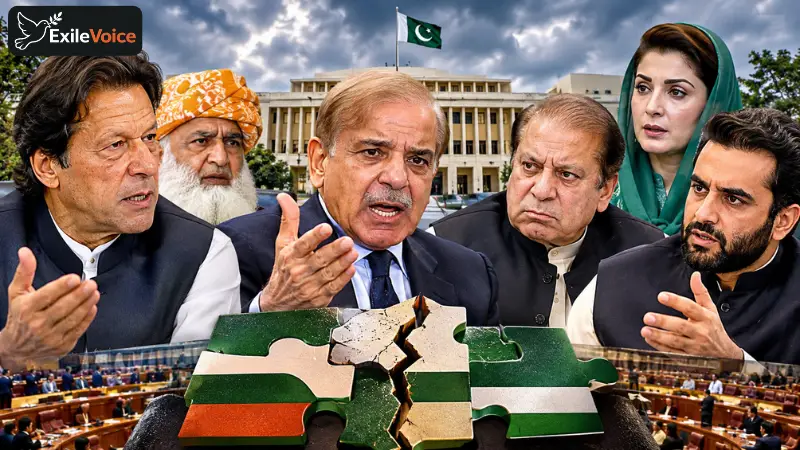
Internal political friction within the ruling coalition reached a boiling point as key political figures openly addressed underlying tensions, administrative friction, and maneuvering for future political positioning. Public statements from senior coalition members reflected deep-seated anxiety regarding administrative authority, legislative roles, and the shifting balance of power among allied political factions. Observers noted that these public expressions of frustration expose a fragmented governance structure struggling to maintain cohesion amidst external and internal pressures.
The discourse highlighted growing concerns among political leaders regarding institutional realignment and the influence of powerful non-political stakeholders in executive governance. Allegations of strategic positioning for future political transitions fueled a war of words across party lines, as leaders defended their administrative records while attempting to counter perceived marginalization. This public exposure of coalition discord underscores the fragile nature of current political arrangements and the persistent struggle for regional and federal dominance.
Analysts suggest that such intense political friction is symptomatic of a deeper governance crisis, where competing interests continually challenge administrative stability. As various factions vie for influence and prepare for eventual political realignments, the ruling coalition faces mounting challenges in projecting a unified front. The unfolding political dynamics continue to shape the broader national narrative, signaling potential shifts in governance and alliance structures moving forward.