
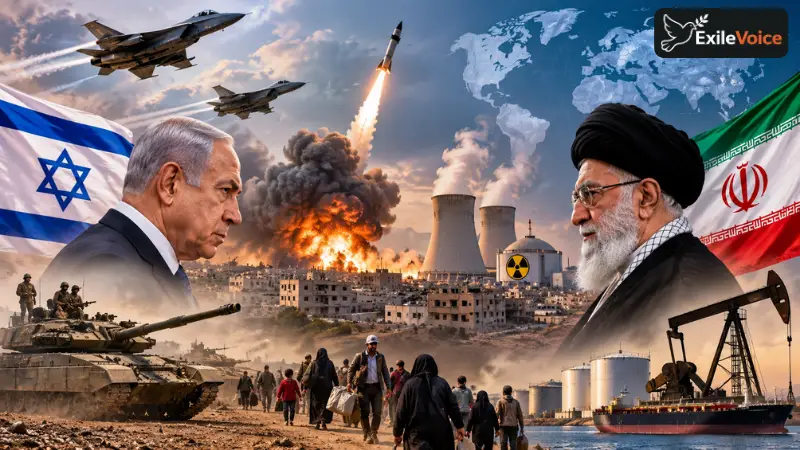
Geopolitical stability in the Middle East remains exceptionally fragile as regional conflicts threaten to spill over into broader international confrontations. Recent intelligence assessments and diplomatic commentaries highlight an alarming escalation in aggressive rhetoric and strategic posturing among key regional actors. Analysts note that heightened military maneuvers and persistent threats of preemptive strikes against strategic infrastructure have created a volatile environment where miscalculation could trigger catastrophic regional consequences.
Central to these tensions are ongoing disputes surrounding nuclear facilities, military deterrence, and defensive readiness. International observers have expressed grave concern over proposals advocating for aggressive military interventions against fortified installations. Such extreme measures, if executed, would breach long-standing strategic thresholds and risk igniting a widespread conflict involving global superpowers. The diplomatic community faces immense pressure to de-escalate hostilities, rein in unilateral military initiatives, and re-establish credible dialogue channels to prevent irreversible damage to regional security architecture.
Furthermore, the economic and humanitarian fallout of prolonged regional instability continues to reverberate globally. Supply chain vulnerabilities, energy market fluctuations, and displacement crises underscore the interconnected nature of modern security. Traditional diplomatic frameworks are being tested as international organizations struggle to enforce ceasefires and compliance with international law. Mitigating these risks demands concerted multilateral diplomacy, transparent communication between adversary states, and a steadfast commitment to peaceful conflict resolution rather than military escalation.