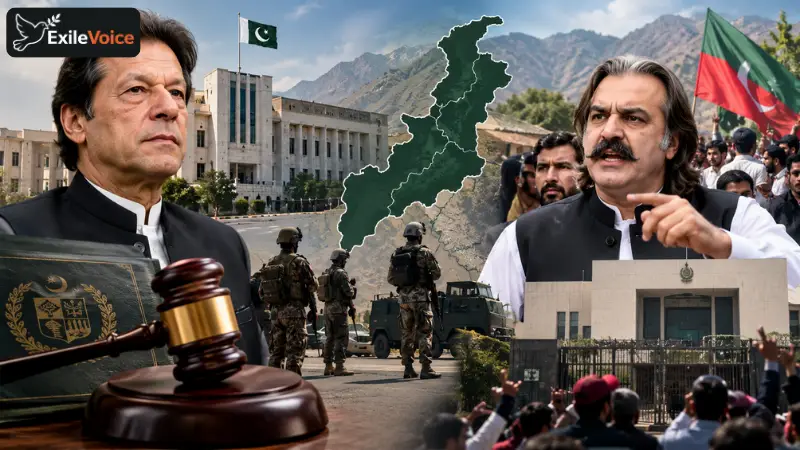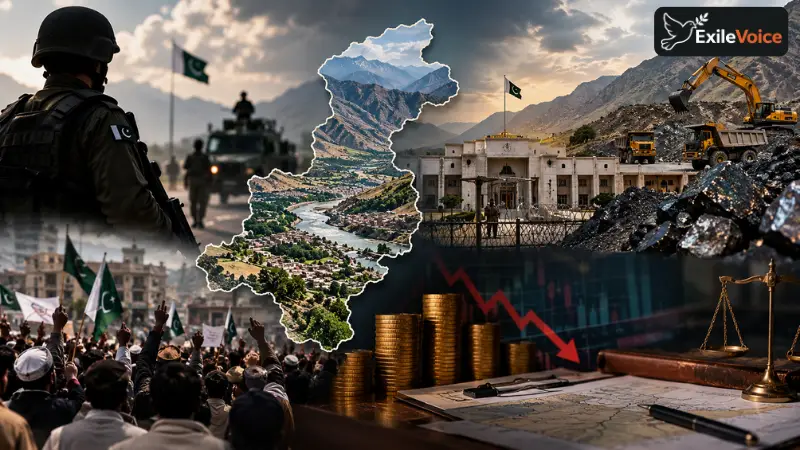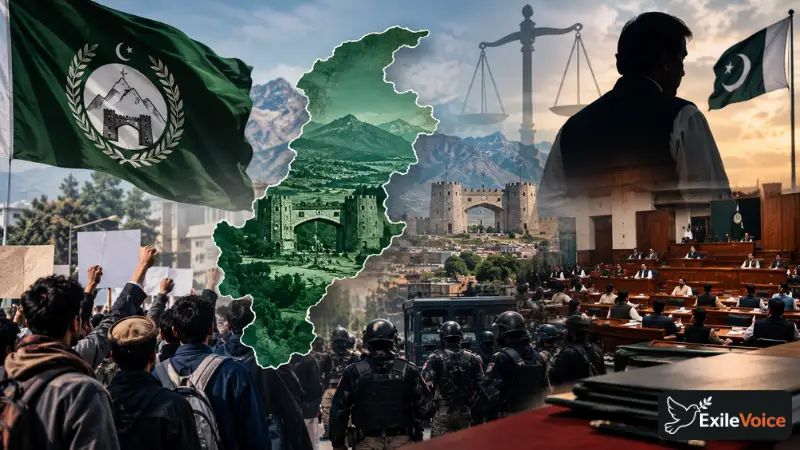
The political landscape of Khyber Pakhtunkhwa (KP) has consistently remained a focal point of intense national debate, characterized by high-stakes administrative changes, legislative friction, and shifting dynamics between regional authorities and federal institutions. Recent developments surrounding the provincial leadership, including questions regarding the whereabouts and operational status of the Chief Minister, have escalated tensions across Peshawar and beyond. These unfolding events highlight deep-seated structural challenges in regional governance, legal frameworks, and security deployment within Pakistan's border provinces.
At the core of the ongoing crisis is the delicate equilibrium between local provincial autonomy and federal oversight. Khyber Pakhtunkhwa occupies a uniquely strategic geographic position, making its political stability vital for national security and economic continuity. However, recent escalations, marked by student demonstrations, legal community mobilization, and heightened discussions regarding emergency administrative measures, reflect a growing disconnect between regional political leadership and central governance priorities. Observers note that administrative transitions in the province frequently trigger institutional friction, complicating executive decision-making and public service delivery.
Furthermore, the involvement of security apparatuses and law enforcement agencies in managing civil unrest underscores the fragility of the current political environment. When administrative branches resort to heightened security protocols, it frequently fuels public anxiety and invites sharp criticism from political opposition groups who view such actions as executive overreach. The polarization within the legislative assembly and public demonstrations on the streets of Peshawar signal an urgent need for institutional dialogue. Without concerted efforts to bridge political divides through constitutional channels, the province risks prolonged administrative paralysis that could adversely affect governance, investor confidence, and civil stability.