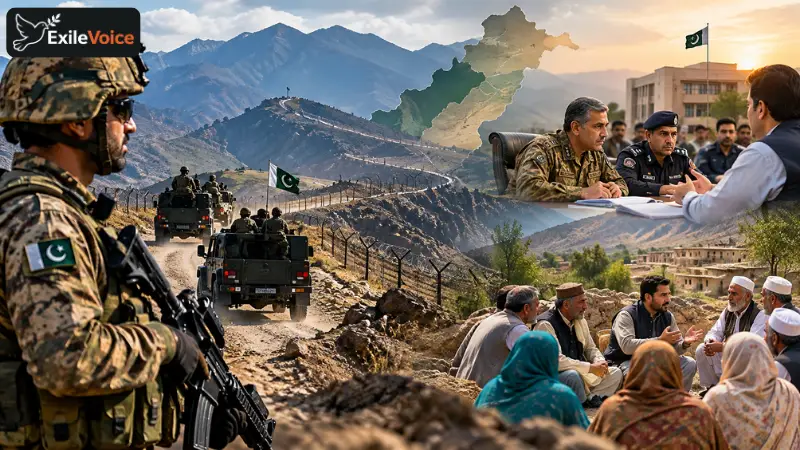
Security dynamics along Pakistan's western borderlands continue to present formidable challenges for state institutions and regional populations alike. Recent administrative and legislative shifts highlight a persistent struggle to balance national security imperatives with effective local governance. Observers note that while counter-terrorism remains a stated priority for federal and military planners, the methods employed to address militant threats often spark intense debate regarding their long-term efficacy and impact on civil society.
The discourse surrounding regional security frequently intersects with broader geopolitical considerations and historical precedents of conflict management. Critics argue that past policies concerning militant networks have created systemic vulnerabilities that continue to manifest in recurrent violence across Khyber Pakhtunkhwa and Balochistan. The recent establishment of specialized administrative secretariats in sensitive districts reflects an attempt to streamline security operations through direct federal control. However, local stakeholders contend that sidelining elected civilian apparatuses alienates the population and complicates grassroots intelligence gathering.
Addressing these deep-seated security challenges requires a comprehensive reevaluation of institutional strategies, moving beyond short-term containment toward sustainable peacebuilding. Analysts emphasize the necessity of strengthening civilian law enforcement agencies, empowering local governance structures, and fostering transparent dialogue between state authorities and regional communities. Without addressing the socio-political grievances that fuel instability, conventional military interventions risk perpetuating cycles of friction without achieving lasting security.