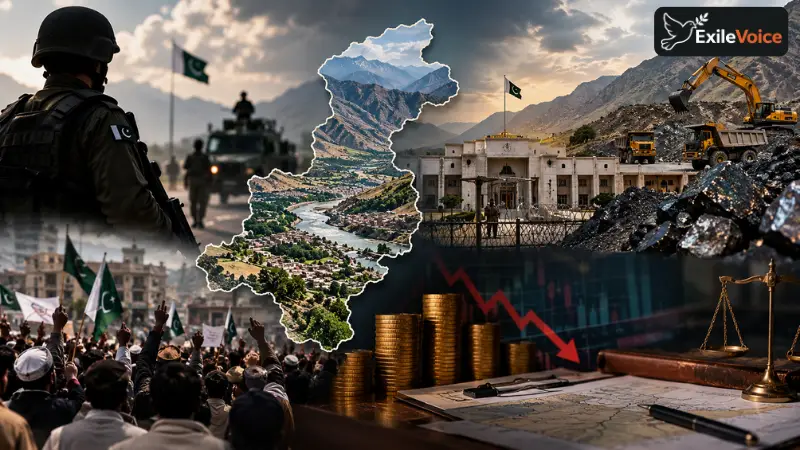
The sudden declaration of emergency and governor rule in Khyber Pakhtunkhwa has profound implications not only for domestic governance but also for the economic stability and resource management of the region. Khyber Pakhtunkhwa is rich in natural resources, including valuable mineral deposits such as chromite, which have long been points of contention between federal oversight and provincial rights.
Recent political analyses underscore how administrative takeovers in resource rich provinces often complicate local governance, stoke public grievances, and disrupt economic planning. The concentration of power in federal hands, bypassing local democratic representation, creates an environment of uncertainty that can deter investment and hamper sustainable development initiatives. Furthermore, public reaction to these measures has amplified social unrest, forcing citizens and local leaders to question the longevity and legitimacy of centralized decrees.
As the situation continues to evolve, economic stakeholders and policy analysts are closely evaluating how administrative instability in Khyber Pakhtunkhwa will impact broader national reforms, fiscal federalism, and the protection of provincial assets. Addressing these systemic challenges will require a return to constitutional norms, dialogue, and respect for regional autonomy.