

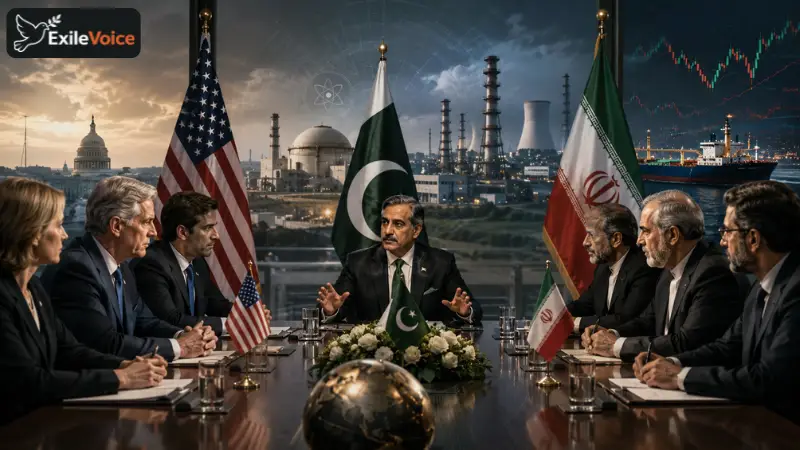
The geopolitical landscape of South Asia and the Middle East is witnessing a significant diplomatic shift as Pakistan steps into the spotlight as a primary mediator between the United States and Iran. With regional tensions escalating over Iran’s nuclear program and a grueling 88 day conflict that many observers feared could spiral into a broader international crisis, global eyes have turned toward Islamabad. The ongoing friction has already triggered immense economic volatility worldwide, destabilizing global energy markets, spiking crude oil prices, and complicating economic supply chains for major powers including China.
The diplomatic breakthrough gained public traction following statements from high-ranking international officials, including US Secretary of State Marco Rubio, who acknowledged positive indicators emerging from the mediation channel. Official reports indicate that Pakistani mediators are traveling directly to Tehran to facilitate structured dialogue and lay down the foundation for a workable framework. However, regional experts caution against relying entirely on optimism. In high-stakes international diplomacy, hope cannot substitute for a concrete, structured policy framework. The sudden reliance on Islamabad highlights Pakistan’s unique position as a state maintaining operational ties with both Washington and Tehran, even as domestic critics point out that its foreign policy execution can alternate between brilliant strategic breakthroughs and unpredictable stalemates.
At the core of the current diplomatic deadlock is the management of Iran’s highly enriched uranium. While previous negotiation rounds focused primarily on naval blockades and maritime trade restrictions, the focus has shifted heavily to technical nuclear compliance. The international community remains anxious over where the enriched material will be stored and who will oversee its containment. The situation grew more complex following unequivocal declarations from Iran’s supreme leadership, Ayatollah Ali Khamenei, asserting that all enriched uranium must remain strictly within Iranian borders. State-run outlets, including Press TV, have reinforced this rigid stance, signaling that Tehran will only discuss technical nuclear limits after a permanent, verifiable ceasefire is established and active military threats are neutralized.
Compounding the problem is an apparent deficit in technical expertise within previous Western negotiating teams. Reports indicate that earlier coordination attempts led by Western political figures suffered from a lack of technical depth regarding Iran’s advanced centrifuge technology. This occurred because key nuclear non-proliferation experts and arms control diplomats had previously been sidelined or removed from their institutional roles. European diplomats monitoring the initial rounds in Geneva noted that negotiations often stalled simply because the representatives lacked the necessary technical competence to evaluate Iran’s nuclear infrastructure. This history of inconsistent engagement has led regional observers to question whether Western frameworks can be trusted to maintain a long-term agreement.
Despite these structural hurdles, a tentative five-point peace draft circulated by regional media outlets offers a potential path forward. This unconfirmed blueprint outlines a structured phased approach to de-escalation. The first phase demands an immediate, comprehensive ceasefire across all active operational fronts. The second phase guarantees the complete cessation of military strikes targeting critical civilian and economic infrastructure. The third phase focuses on establishing freedom of navigation throughout vital maritime corridors under a joint international monitoring mechanism. The fourth phase outlines a gradual, performance-based lifting of economic sanctions currently crippling the Iranian economy. Finally, the fifth phase schedules comprehensive negotiations regarding broader strategic disputes exactly seven days after the ceasefire takes effect, contingent entirely on a week of verified compliance. As Pakistani emissaries navigate this diplomatic minefield, the success of the initiative hinges on bridging the gap between Washington’s demands for immediate nuclear containment and Tehran’s absolute insistence on sovereignty and economic relief.

