

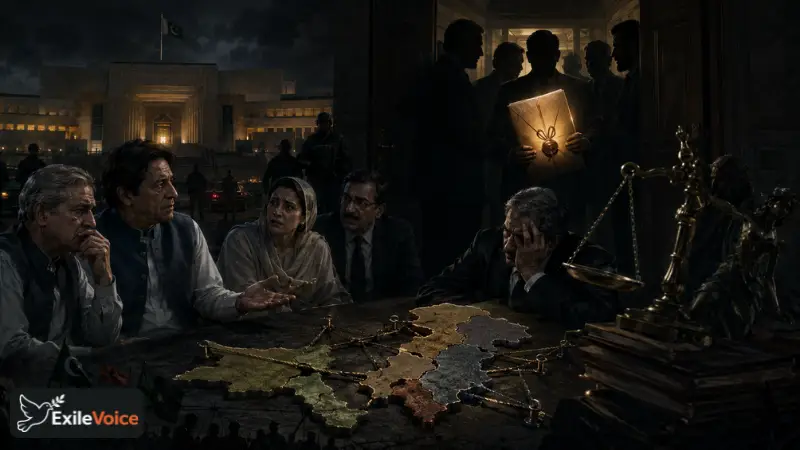
The political landscape in Pakistan is currently grappling with a significant lack of transparency regarding the proposed 28th Constitutional Amendment. Reports suggest that the current legislative regime is operating in a vacuum, lacking access to the actual draft of the amendment. This mysterious disappearance or withholding of the draft has led to a peculiar situation where the government is reportedly reaching out to legal bodies, such as the Pakistan Bar Council, to act as intermediaries in securing the document.
The central figure in this administrative enigma is often referred to in political circles as "Chaudhry Nizamuddin," a pseudonym for influential power brokers who allegedly hold the draft. The secrecy surrounding the amendment is not without precedent. Observers point to the transition of the Chief of Defense Forces and previous tenure extensions where constitutional drafts were kept hidden until the final minutes before a vote. This "cloak and dagger" approach to legislation undermines the democratic process, as those whose political lives and legislative powers are being reshaped have no clear understanding of the laws they are expected to pass.
Speculation suggests that the 28th Amendment may focus on rolling back elements of the 18th Amendment, specifically regarding the devolution of funds to provinces. There are indications that the central authority seeks to reclaim control over health and education sectors and potentially shift certain presidential powers to the military leadership. The fact that high-ranking officials, including the Prime Minister and Foreign Minister, appear to be sidelined from the drafting process raises serious questions about the authenticity of the current civilian governance. Without a transparent review of the legislative draft, the risk of "backdoor" governance continues to threaten the stability of the federation.

