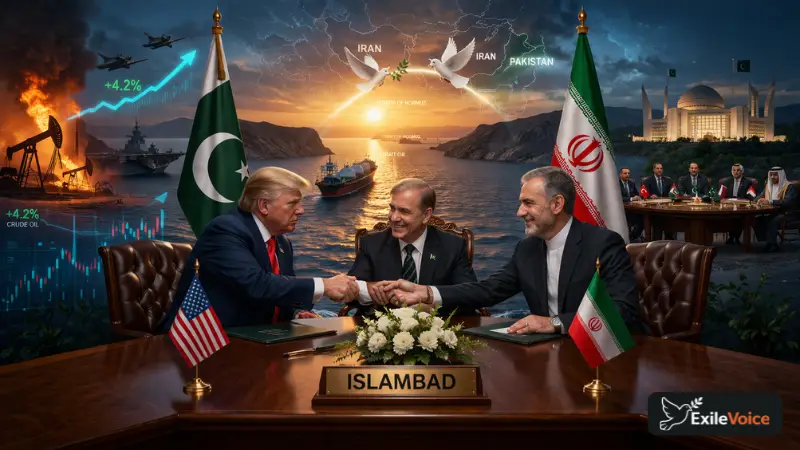
In a significant shift in regional dynamics, Pakistan has emerged as a potential central mediator between the United States and Iran. Following a period of intense military posturing and economic uncertainty, reports from international financial outlets and regional insiders suggest that Islamabad is positioning itself as a "go-between" to de-escalate the burgeoning conflict in the Middle East. This development comes at a critical juncture where global energy markets have been rattled by threats to the Strait of Hormuz, a vital maritime artery for the world’s oil supply.
The mediation efforts appear to be a multi-pronged diplomatic offensive. High-level communications have been confirmed, including a strategic dialogue between Pakistan’s military leadership and Donald Trump, as well as direct telephone conversations between Pakistani Prime Minister Shehbaz Sharif and Iranian President Masoud Pezeshkian. These interactions suggest that Pakistan is leveraging its unique position, maintaining a functional relationship with the Trump administration while sharing a border and religious ties with Iran, to carve out a space for dialogue that other regional players, like India or Turkey, have yet to secure.
The stakes of this mediation are rooted in economic survival. Iran has previously threatened to obstruct the Strait of Hormuz in response to U.S. sanctions and military pressure. For Pakistan, which imports nearly 80% of its energy needs through the Persian Gulf, a prolonged closure of the strait would be catastrophic. The "incentive for peace" is therefore not merely altruistic but a necessity to prevent a total collapse of the domestic economy.
Furthermore, the reports indicate a potential "five-day window" or cooling-off period suggested by U.S. leadership regarding Iranian energy infrastructure. While the Iranian Foreign Ministry has officially denied direct negotiations with the U.S., they have acknowledged receiving messages through "friendly states." Pakistan’s role is part of a broader consortium involving Turkey, Qatar, and Egypt, all working to facilitate a return to diplomacy. If Islamabad successfully hosts these high-stakes talks, it would mark a historic milestone for Pakistani diplomacy, transforming the country from a regional actor into a pivotal global peacebroker.