The geopolitical landscape in the Middle East has entered a perilous new phase following the initiation of "Project Freedom" by the Trump administration. This strategic military and political maneuver, implemented by the U.S. Central Command (CENTCOM), aims to break Iran's strategic stranglehold on the Strait of Hormuz. After an initial period of relative calm, the last twelve hours have seen a surge in hostilities and conflicting claims from multiple regional actors.
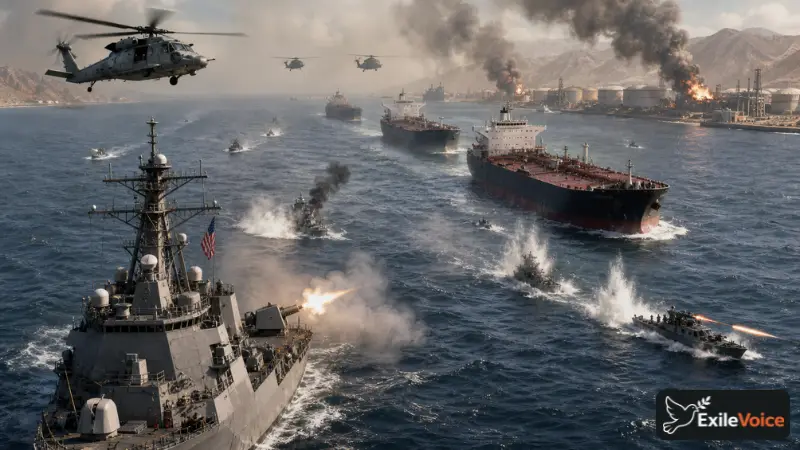
The United Arab Emirates (UAE) has reported significant drone attacks on its oil facilities in Fujairah, attributing the strikes to Iranian forces. While Iran has neither confirmed nor denied direct responsibility, it maintains that the UAE bears the consequences of violating maritime regulations in the Strait. This escalation highlights the UAE's shift toward a frontline strategic alliance with Israel and the U.S., distancing itself from traditional blocs like OPEC+ and the GCC.
Concurrently, CENTCOM claims to have successfully escorted American-flagged tankers through the Strait, signaling a challenge to Iran's blockade. Reports indicate that U.S. forces destroyed several Iranian "mosquito fleet" gunboats via helicopter strikes, though Tehran dismisses these as false claims. With approximately 850 to 1,100 vessels currently trapped in the Persian Gulf, the success of this military intervention remains a subject of intense global scrutiny.
The underlying objective of Operation Freedom appears to be reversing Iran's perceived strategic victory over the past 60 days of conflict. By dismantling the maritime blockade before President Trump’s high-stakes meeting with Chinese President Xi Jinping on May 14, 2026, the U.S. seeks to project strength and secure a diplomatic advantage. However, the risk of a "Gulf of Tonkin" style escalation, where a minor or manufactured incident serves as a pretext for full-scale war, remains a major concern among international strategic experts.