As the regional conflict enters its twentieth day, the strategic landscape is shifting from immediate military skirmishes to a more calculated and devastating phase focused on economic and energy infrastructure. What was initially branded by some as "Operation Epic Fury" is now being characterized by international observers and publications like The Economist as "Operation Blind Fury." This shift in nomenclature reflects a growing concern that the current military trajectory lacks a coherent long-term strategy and is increasingly driven by reactive measures rather than proactive planning.
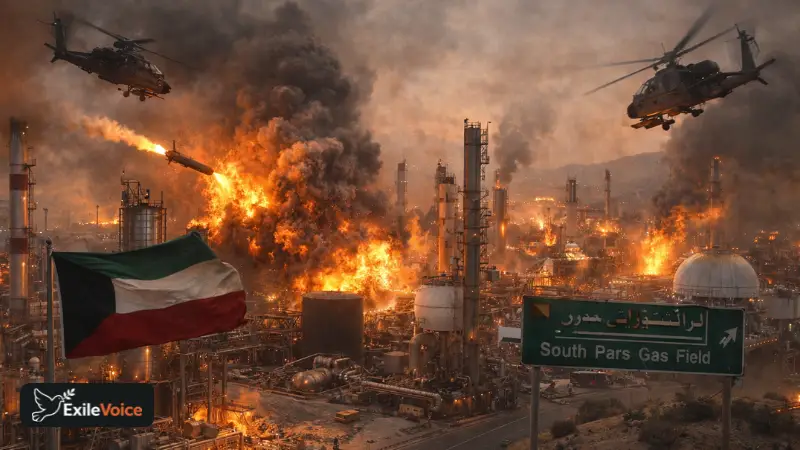
The conflict has officially transitioned into Phase Two. Unlike the initial phase, which focused on border security and immediate military threats, Phase Two is defined by its focus on high-value energy assets. This stage is particularly volatile because it involves territories rich in oil, natural gas, and Liquefied Natural Gas (LNG). Recent reports indicate that the theater of war has expanded to include critical energy production sites. For the first time in this conflict, multiple nations in the region, including Kuwait, have reported coordinated attacks on their energy extraction and processing facilities.
The strategic targeting of these sites is not incidental. The region houses some of the world’s most significant energy reserves, including the South Pars gas field, which is shared between Iran and Qatar and stands as the largest gas field globally. By bringing these assets into the line of fire, the combatants are effectively weaponizing the global energy supply chain. The immediate result has been an escalation in energy prices and a heightening of the global energy crisis, as markets react to the potential for long-term disruption in one of the world's most vital export hubs.
From a geopolitical perspective, this phase presents an immense challenge for the United States. President Donald Trump, who has utilized platforms like Truth Social to communicate his administration's stance, finds himself in a position where the options are increasingly restricted. The "blind fury" approach, often attributed to the influence of regional allies, risks dragging international powers into a quagmire without a clear exit strategy. The lack of a unified "group project" mentality among allies has led to a fragmented response that serves to embolden adversaries rather than contain them.
For countries like Pakistan, Phase Two necessitates a delicate and high-stakes balancing act. Pakistan maintains complex relationships with both Western powers and regional neighbors like Iran. As the conflict spills over into energy corridors, the pressure on Islamabad to choose a side or facilitate a resolution increases. The challenge for Pakistani leadership will be to protect its own energy security and economic interests while navigating a geopolitical minefield where a single miscalculation could have decades of repercussions.
Ultimately, the transition to Phase Two signals that this is no longer a localized border dispute. It is a full-scale assault on the economic foundations of the region with global reach. As energy sites become the new front lines, the international community must grapple with the reality that military victory may come at the cost of a global economic meltdown.