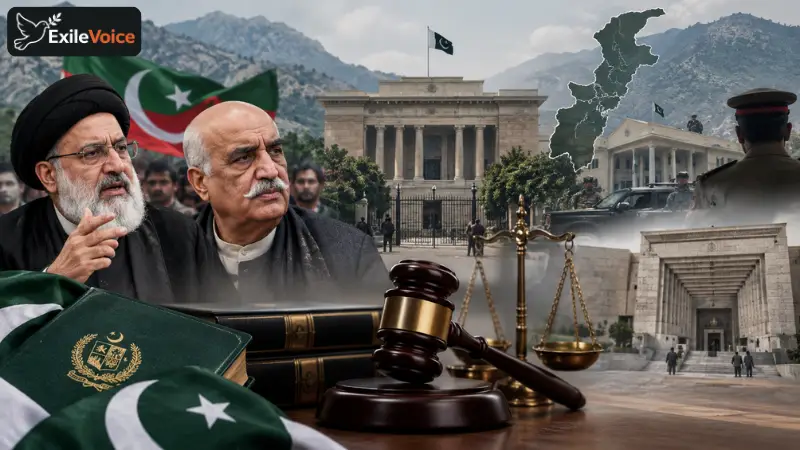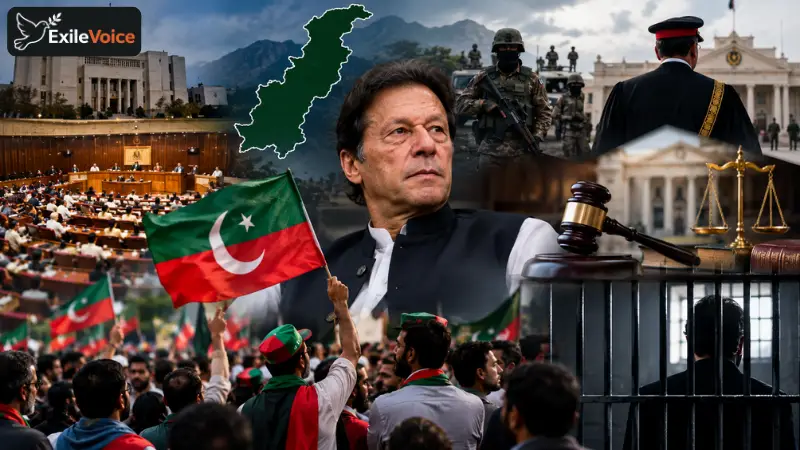
Despite the dismantling of its top-tier leadership, the stripping of its electoral symbols, and the imprisonment of its founding chairman, the Pakistan Tehreek-e-Insaf (PTI) remains the singular dominant force in the country’s political landscape. The resilience of "One PTI" is a study in modern populism. Unlike traditional Pakistani parties that are built on patronage networks and landed elites, the PTI has successfully transitioned into a decentralized, ideologically driven movement that thrives in the face of state opposition.
The "One PTI" phenomenon is anchored in the cult of personality surrounding Imran Khan. His incarceration has not diminished his influence; instead, it has martyred his political cause, making him a symbol of resistance against the "system." The state’s attempt to create "King’s parties" or splinter groups from the PTI has largely failed to gain public traction, as the voters remain loyal to the original brand. This loyalty was most evident in the 2024 elections, where PTI-backed independents defied all expectations despite immense hurdles.
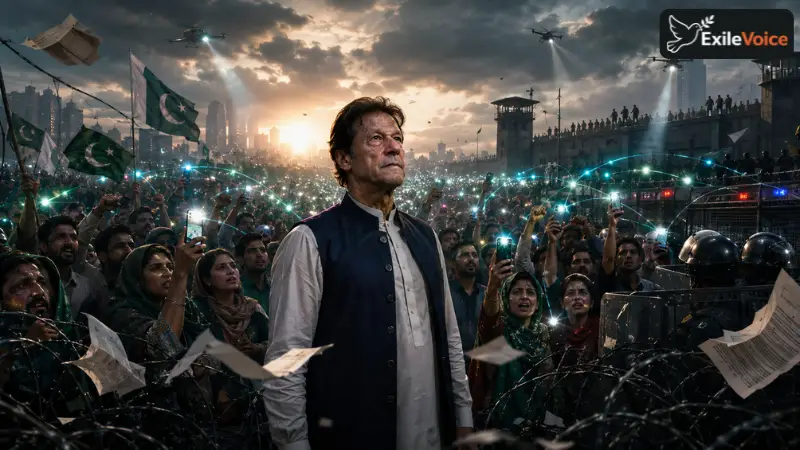
A critical factor in this survival is the party's mastery of the digital narrative. By bypassing traditional media, which is subject to censorship, the PTI has created an "alternate information ecosystem" that keeps its base energized and informed. This has forced the state into a cycle of "internet shutdowns" and "firewall" implementations, which only serves to further alienate the tech-savvy youth. The story of the PTI is no longer just about a political party; it is about the emergence of a new type of political consciousness in Pakistan that the traditional "Establishment" tools of coercion have yet to figure out how to contain.