The history of India-Pakistan relations is marked by a cyclical pattern: periods of intense conflict frequently followed by tentative, often fleeting, attempts at dialogue. Observers often point to these moments of "calm" as signs of hope, yet the reality suggests a more complex and potentially more dangerous trajectory. Recent years have demonstrated that while both nations may seek pragmatic step-backs to avoid immediate escalation, the underlying structural tensions and the intensity of hostilities have only increased.
A critical shift in the regional landscape is the increasing "hyphenation" of New Delhi and Kabul in Pakistani strategic thought, reflecting a deep-seated distrust. Conversely, India is actively maneuvering to expand its influence across South Asia, competing directly with Chinese interests. The recent diplomatic posturing in Bangladesh, where the new government has sought stronger ties with China, serves as a sobering reminder for India that its traditional regional influence is being actively challenged.
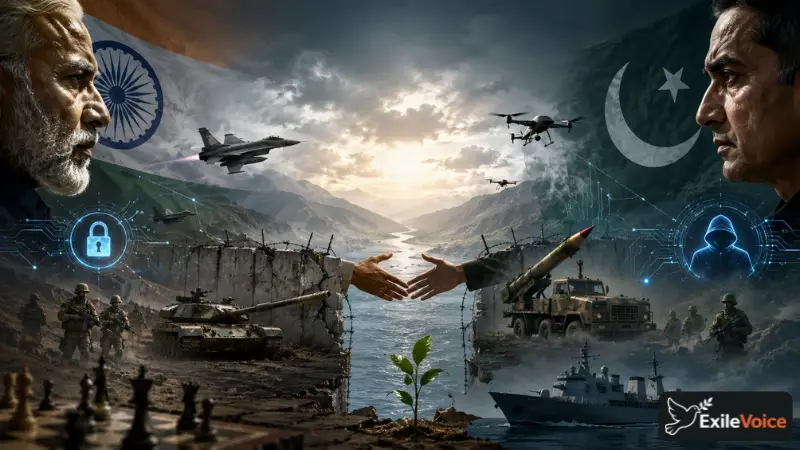
Furthermore, the nature of potential future conflict is evolving. Experts warn that the next phase of hostility could be defined by cyber-warfare, missile technology, drone operations, and naval engagement rather than traditional ground warfare. Both India and Pakistan have also shown a propensity to use conflict as a political tool to navigate domestic pressures, which paradoxically incentivizes the maintenance of a high-tension status quo.
Domestic stability in both nations remains a critical variable. For Pakistan, the necessity of eliminating remaining terrorist infrastructure is paramount to altering its international image and reducing friction with India. For India, there is little current appetite for reopening stalled mechanisms like the Indus Waters Treaty or rapidly expanding trade. The bilateral relationship is currently in a state of "cold peace," where both sides are managing tensions without reaching a substantive breakthrough. As the regional power dynamic shifts with the involvement of global players like China and the U.S., the path toward genuine reconciliation remains obstructed by historical grievances, security dilemmas, and competing geopolitical ambitions. The hope for peace is, at best, faint, requiring a monumental shift in policy and trust-building that is currently absent.