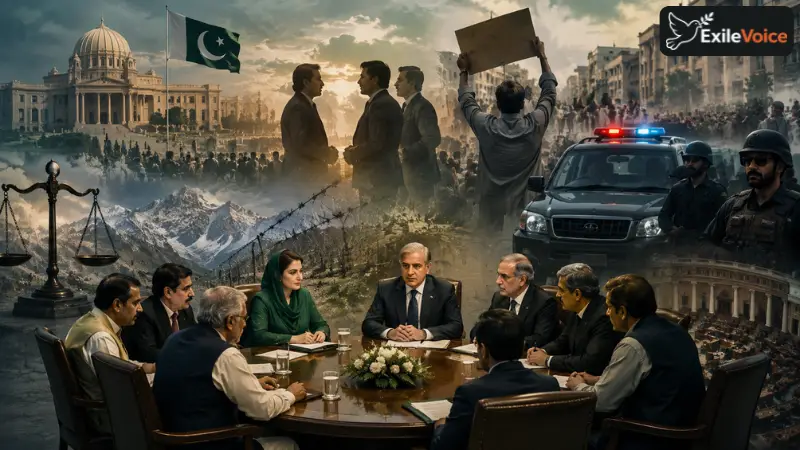
The political arena in Pakistan is witnessing a complex series of interactions, characterized by evolving alliances and institutional oversight. Recent political developments, including high-level meetings involving figures such as Maryam Nawaz and Malik Ahmed Khan, highlight the internal pressures currently facing leadership within Punjab. These interactions suggest a recalibration of strategies as parties attempt to manage governance challenges amidst public scrutiny and internal power dynamics.
Furthermore, there is growing debate surrounding the promotion of "VIP culture," particularly regarding new legislation in Khyber Pakhtunkhwa that permits specific vehicle markings for Provincial Assembly members. Critics argue that such moves contradict established ideologies emphasizing the reduction of elitist displays and the promotion of a more accessible governance model. This sentiment is echoed in broader discussions about political transparency, with public demands for accountability, such as the recent focus on the handling of official documents and perks, intensifying across the country.
Additionally, the challenges facing the Kashmiri Joint Action Committee, which recently communicated its grievances to Prime Minister Shehbaz Sharif regarding unfulfilled agreements, underscore the fragility of current political settlements. The role of security and intelligence agencies as guarantors in these agreements has sparked debate about the boundaries of institutional involvement in political affairs. As these diverse issues converge, the focus remains on the efficacy of political leadership in addressing fundamental public concerns while navigating the complexities of governance and accountability.