The landscape of modern journalism is increasingly defined by a complex war of narratives where disinformation spreads at unprecedented speeds. In regions experiencing volatile political shifts, the role of independent reporting becomes critical yet fiercely contested. Political actors, institutional mouthpieces, and digital influencers often deploy coordinated campaigns of misinformation to distort public perception, suppress critical dissent, and protect institutional narratives. This dynamic creates an urgent challenge for professional journalists and media analysts who must constantly sift through fabricated claims to unearth verifiable truths.
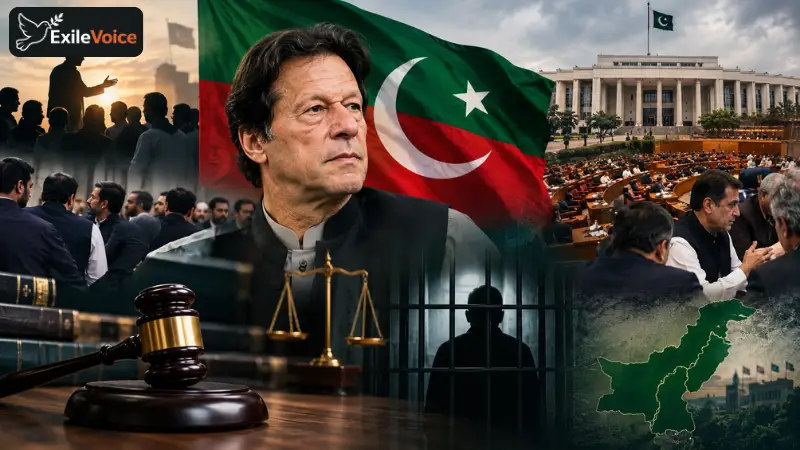
A primary driver of this information warfare is the weaponization of selective reporting. When high-profile events occur, whether related to legal battles involving jailed political figures, health disclosures, or shifts in military and state relations, immediate reactions online frequently prioritize emotional resonance over factual accuracy. State-adjacent media outlets often utilize strategic omissions, framing complex crises in ways that absolve authorities of accountability. Conversely, opposition networks or partisan digital armies may amplify unverified rumors, hoping to manufacture artificial crises or force premature concessions from the establishment. This environment erodes public trust, leaving citizens struggling to identify objective reality amidst a cacophony of conflicting claims.
Journalistic integrity in this landscape requires a strict adherence to verification protocols, historical context, and methodological transparency. Reporters operating in high-risk zones must resist the temptation to chase algorithmic trends or viral speculation. Instead, the focus must remain on primary source verification, cross-referencing institutional statements with independent intelligence, and holding both state power and political opposition to the same rigorous standards of accountability. When journalists compromise on these tenets for short-term visibility, they inadvertently become instruments of propaganda, worsening the polarization that undermines democratic institutions.
Ultimately, rebuilding credibility within South Asian media requires a structural shift toward reader and viewer empowerment. Audiences must be equipped with media literacy tools to discern between analytical journalism and partisan spin. For media professionals, the mandate is clear: maintain unwavering independence, document historical events accurately despite institutional pushback, and treat truth not as a negotiable commodity, but as the foundational pillar of a free society.