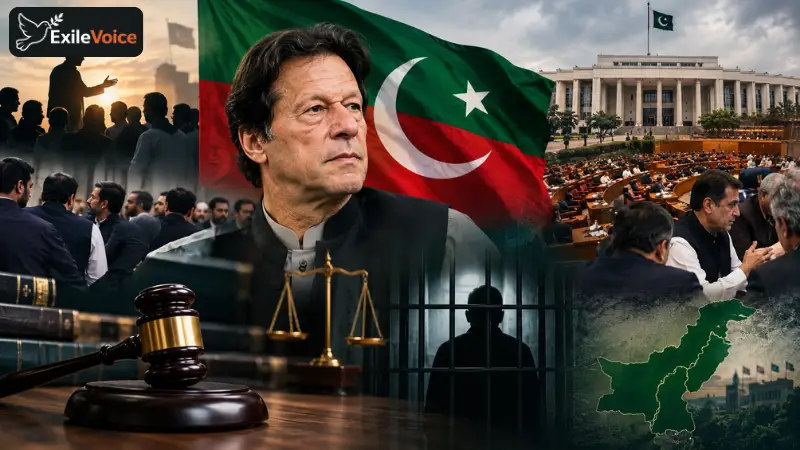
Recent developments in Pakistan have intensified scrutiny regarding the rule of law, constitutional integrity, and the judiciary's role amid ongoing political turmoil. Legal and political observers have focused heavily on escalating tensions involving Supreme Court directives, administrative maneuvers, and the treatment of high-profile political figures. Discussions surrounding contempt of court proceedings highlight deep institutional fractures, raising critical questions about accountability, judicial independence, and the balance of power among state organs.
The discourse also addresses strategic alignments within political parties and legal circles. Analysts note that delays in filing formal contempt actions can alter procedural timelines and affect the trajectory of judicial remedies. While various stakeholders advocate for strict adherence to constitutional mandates, the implementation of judicial orders often faces administrative roadblocks and tactical delays. This ongoing friction underscores a broader systemic challenge regarding how legal institutions enforce accountability in a polarized political landscape.
Furthermore, public and expert commentary frequently examines the implications of these judicial battles on civic trust and democratic norms. As legal teams navigate complex procedural requirements and shifting judicial benches, the broader populace remains deeply concerned about governance, institutional transparency, and the protection of fundamental rights. Addressing these systemic concerns requires a transparent commitment to constitutional principles and an impartial judiciary capable of upholding the rule of law without external interference.