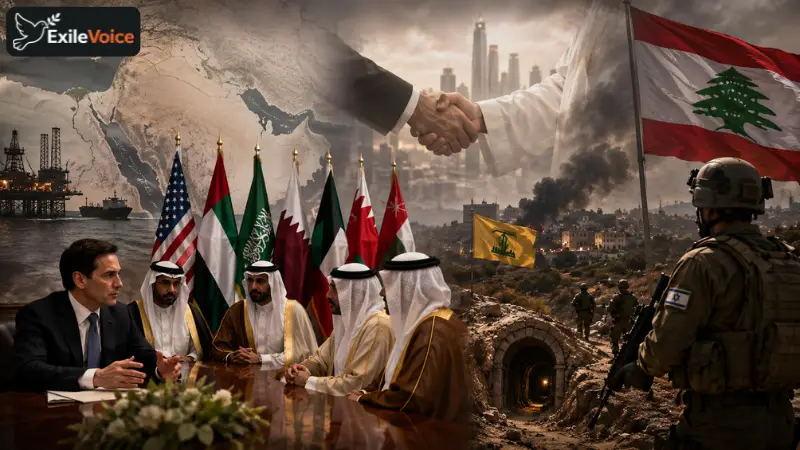
The Middle East remains a volatile theater of geopolitical competition, marked by intense diplomatic maneuvering from the United States and evolving military strategies between Israel and Hezbollah. US Secretary of State Marco Rubio is currently engaged in a high-profile tour of the Gulf Cooperation Council (GCC) states, including the UAE, Kuwait, and Bahrain, to consolidate American influence in the wake of shifting alliances.
A central point of contention in Rubio’s regional dialogue is the interpretation of a 14-point Memorandum of Understanding (MOU) regarding Iran. While the agreement initially established a 60-day window for negotiations on maritime transit fees through the Strait of Hormuz, Rubio is actively working to temper Iranian influence by pressuring Gulf states to distance themselves from Iranian-Oman joint mechanisms. This push represents a clear effort by the current US administration to undermine the diplomatic frameworks negotiated by other factions, aiming to reassert a hardline stance against Iranian regional reach.
Simultaneously, the situation in Southern Lebanon has reached a critical impasse. Israeli officials are leveraging claims of a major victory against Hezbollah, specifically the encirclement of an underground tunnel compound built with Iranian support, to justify a continued military presence in Lebanon. Despite conflicting reports from the US State Department regarding a potential partial Israeli withdrawal, Israeli Defense Minister Israel Katz has maintained a firm stance against any such reduction in military operations. As Israel continues to press its tactical advantage, the pressure on Iran to intervene diplomatically to protect its regional proxies is mounting, creating a high-stakes scenario that could define the coming months in the region.