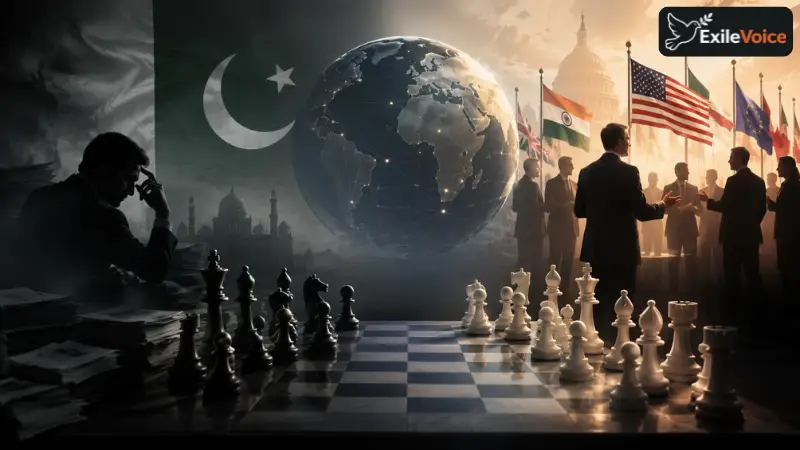
In the modern geopolitical arena, the ability to shape international perception is as critical as military or economic strength. Recent discourse surrounding Pakistan's diplomatic strategy highlights a significant vulnerability: an inability to effectively utilize professional lobbying and public relations to counter negative narratives. While nations like India have invested heavily in high-level lobbying firms in Washington and other global power centers to manage their international image and influence legislative opinion, Pakistan is often perceived as reactive, failing to leverage its strategic position to its own benefit.
The criticism is directed at a diplomatic approach that prioritizes immediate, transactional meetings over long-term strategic narrative building. Rather than engaging professional firms to feed media outlets, lawmakers, and academic institutions with consistent, evidence-based perspectives on regional developments, Pakistani leadership is often accused of focusing on short-term photo opportunities. This "fame-seeking" approach leaves the country vulnerable to shifting international sentiment, as it fails to provide a counter-narrative to the stories published by major international outlets, which often paint a one-sided picture of the nation's political and security landscape.
The current global climate, particularly regarding tensions with India, offers a prime example. While regional conflicts and security issues are routinely covered by global media, the Pakistani state’s failure to engage in a sustained information campaign allows its opponents to dominate the discourse. Lobbyists are not merely service providers; they are architects of influence. When a nation fails to feed its perspective into the legislative and media pipeline, it leaves a vacuum that is inevitably filled by the narratives of its rivals.
To regain lost ground, experts suggest that Pakistan must move beyond the ad-hoc diplomacy of the past. This requires a professionalization of the lobbying effort, moving away from relying on personal contacts and toward structural engagement with decision-makers in the West. By framing its national interest in a way that resonates with international norms of security, human rights, and regional stability, Pakistan could potentially transform its global standing. However, this shift requires a level of political discipline and a move away from internal, personality-driven governance, favoring a more robust and institutionalized approach to global statecraft.