The execution of large-scale political rallies and long marches presents a complex operational test for both state security apparatuses and opposition organizers. Modern mass protest movements are defined not only by public sentiment, but by logistical endurance, legal hurdles, and tactical maneuvering across state borders and regional strongholds. Recent operational shifts demonstrate how state containment strategies and opposition counter-tactics shape the trajectory of political confrontations.
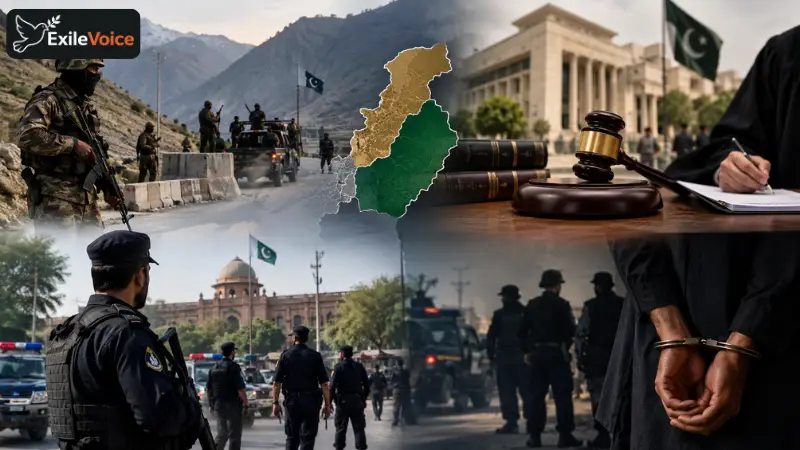
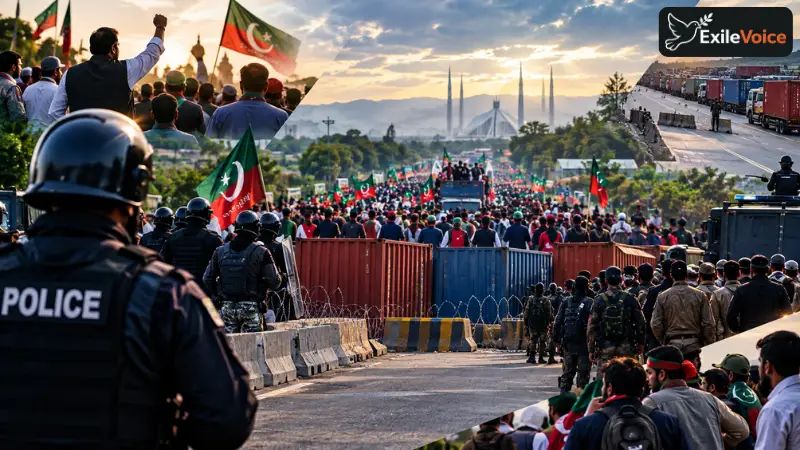
When an opposition movement announces a capital-bound march, state authorities typically respond with multi-layered security frameworks. These include section restrictions, container blockades along critical transport corridors, key transport shutdowns, and preventative detentions of key organizers. The primary goal of such administrative measures is to fragment crowd density, delay convergence at target locations, and exhaust the financial and physical resources of protest networks before they achieve operational momentum.
In response, political leadership relies on decentralized assembly, alternative routing, and regional mobilization hubs to bypass administrative barriers. Strategic strongholds serve as key launching pads, allowing provincial support bases to absorb initial law enforcement pressure before advancing toward capital centers. The resistance capacity of a protest movement relies heavily on organizational discipline, communication networks, and the symbolic resilience of middle-tier leadership when senior figures face legal or physical constraints.
Simultaneously, the economic and operational costs of prolonged security deployments create pressure on state institutions. Extended deployment of police forces, municipal blockades, and disruption to trade routes generate public dissatisfaction and economic strain. As a result, both state authorities and protest leaders operate within a tight operational window where prolonged friction risks diminishing returns for both sides.
Ultimately, mass protest operations are designed to create a threshold of pressure that forces administrative concessions. Whether through direct road blockades or symbolic gatherings, the interplay between law enforcement enforcement and protest endurance determines the final political output. Understanding these operational mechanics provides clear insight into how modern political movements navigate state power to achieve strategic objectives.