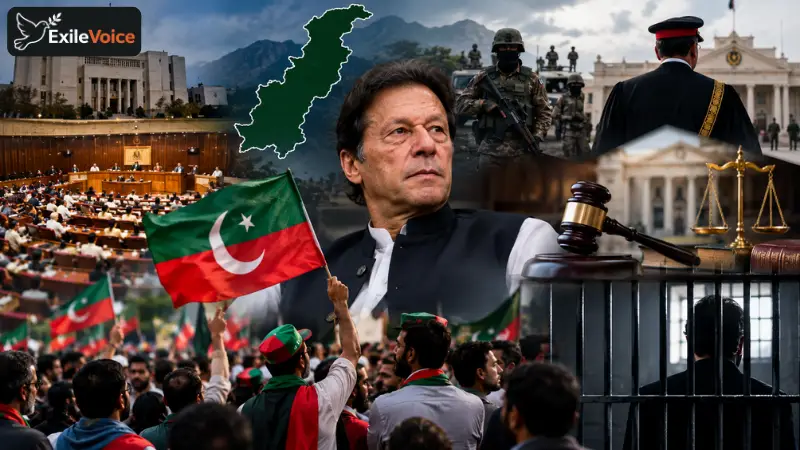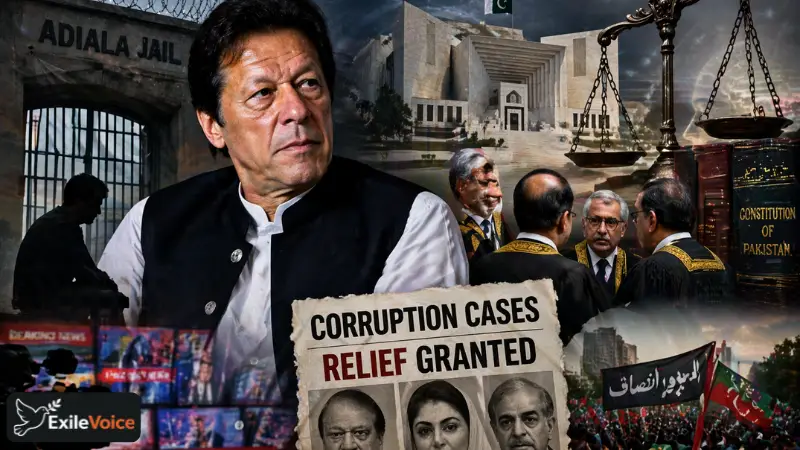
The political climate in Pakistan remains fraught with tension as the judicial system and party leadership face unprecedented scrutiny. At the heart of this storm is the ongoing incarceration of former Prime Minister Imran Khan at Adiala Jail. Recent reports indicate a curious trend of "political absenteeism," where scheduled visitation days, traditionally reserved for party leaders and legal counsel, have seen a lack of attendance from high-ranking party officials. This vacuum raises significant questions about the internal cohesion of the PTI leadership and the strategic direction of their legal defense.
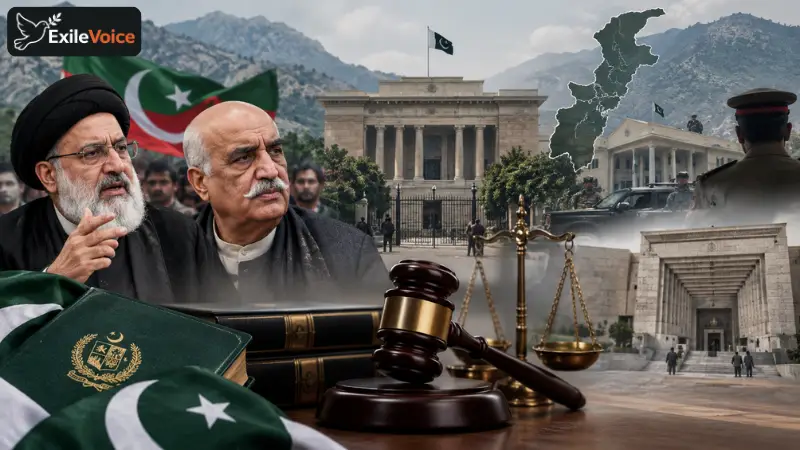
Simultaneously, the judiciary is grappling with internal divisions regarding the transfer and treatment of judges. The refusal of certain judicial figures to convene sessions for the transfer of high court judges highlights a growing resistance against perceived executive interference. Critics argue that moving judges who have been vocal about institutional independence undermines the "spirit of the Constitution." The legal community is currently divided: while some view these transfers as routine administrative shifts, others see them as a "scare tactic" designed to silence dissent within the courts.
Further complicating the narrative is the recent wave of "relief" granted in high-profile corruption cases. Recent rulings have seen the acquittal or suspension of warrants for members of the Sharif family in long-standing cases such as the "Clean Water" reference and the "Chaudhry Sugar Mills" inquiry. To the public, these developments often appear as a "judicial saga" where legal outcomes are tied to the prevailing political winds.
The role of the media in this environment has shifted toward a "sepi" culture, a term referring to permanent, biased service to specific political houses. This has led to a cycle of character assassination and the dilution of serious allegations. As the nation watches the upcoming judicial commissions and street movements planned for late April, the integrity of the legal system remains the ultimate barometer for Pakistan’s democratic health.