

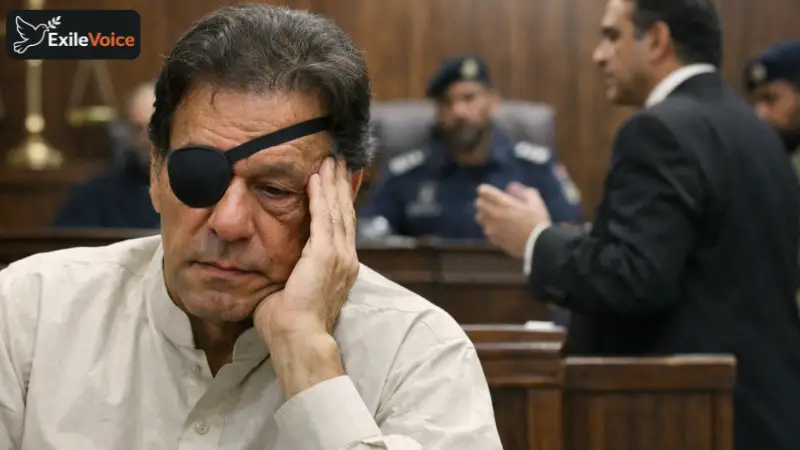
The intersection of politics and fundamental human rights has reached a critical juncture in Pakistan with the recent revelations regarding the health of former Prime Minister Imran Khan. Legal counsel Salman Safdar recently presented a harrowing account before the Supreme Court, alleging that Khan suffered a total loss of vision in one eye due to prolonged medical neglect while incarcerated. This development transcends partisan politics, highlighting a systemic failure in the duty of care owed to high-profile political detainees and raising urgent questions about the transparency of prison administrations.
According to the reports, Khan repeatedly complained of visual impairment over a period of several months. These pleas were allegedly ignored by jail authorities, leading to a state of "100% vision loss" in the affected eye. It was only after intervention from Pims Hospital that a marginal recovery of 15% was reported. From a medical and legal standpoint, the window for treating ocular emergencies is often narrow; the delay described here suggests a level of negligence that borders on the punitive.
Beyond the immediate health crisis, the legal landscape for the former Prime Minister remains fraught with procedural hurdles. Defense lawyers have voiced frustrations over the "Power of Attorney" (Vakalatnama) signing process. In a move described by analysts as unprecedented even under historical autocratic regimes, jail authorities have allegedly obstructed the signing of legal documents, effectively paralyzing the defense’s ability to file timely appeals. This tactical use of administrative friction serves as a "silent bar" to justice, preventing cases from even reaching the courtroom.
The international community has begun to take note. The Telegraph recently published a feature characterizing Khan as a "shining star" now confined to a "death cell," a narrative that contrasts sharply with the domestic crackdown. As the PTI party navigates internal strategy, balancing between the advice of veterans like Mehmood Khan Achakzai and the logistical challenges of organizing protests, the core issue remains the physical well-being of its leader. If the reports of permanent sensory damage are accurate, the state may face significant international scrutiny regarding its adherence to the UN Standard Minimum Rules for the Treatment of Prisoners (the Nelson Mandela Rules).

