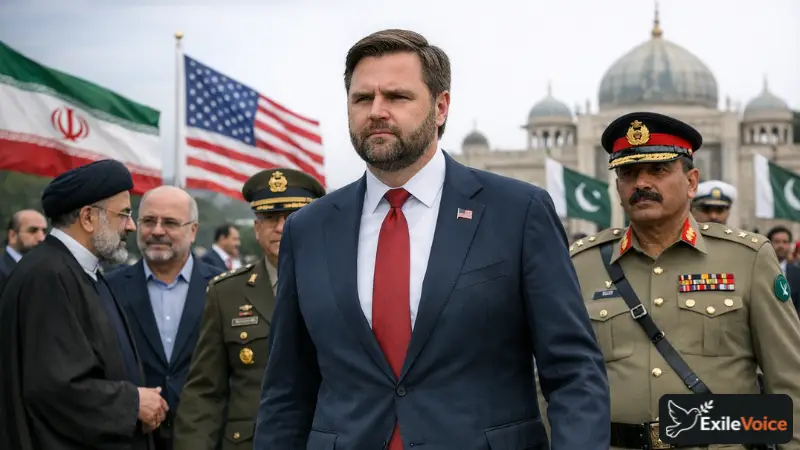
The global geopolitical landscape is currently fixated on a critical time frame as high-stakes diplomacy unfolds in Islamabad, Pakistan. Initial expectations suggested a visit from Donald Trump himself, a prospect that sparked immense anticipation within Pakistan’s ruling elite. However, the mission has evolved significantly, shifting first to potential visits by figures like Steve Witkoff and Jared Kushner, and finally centering on U.S. Vice President JD Vance. As of the early hours of Tuesday, April 21, 2026, the international community remains in a state of suspended animation, waiting for Vance’s arrival in the Pakistani capital.
The Iranian position remains the primary variable in this diplomatic equation. Officially, Tehran has maintained a skeptical stance, with Ministry of Foreign Affairs spokesperson Dr. Esmaeil Baghaei stating that a second round of talks cannot be confirmed. Iran’s core condition for participation is the lifting of the naval blockade that has severely restricted its maritime commerce. While Donald Trump has projected confidence regarding the progress of a "peace deal," Iranian officials have privately suggested that his optimism may be more a product of imagination than immediate reality.
Despite this public posturing, back-channel movements suggest a more fluid situation. Private reports indicate that if Vice President Vance does indeed land in Islamabad, Iran is likely to send a high-level team, potentially led by Parliament Speaker Mohammad Bagher Ghalibaf. The Pakistani military leadership, recognizing this as perhaps their most significant diplomatic moment in the last quarter-century, has been working tirelessly to persuade Tehran that participation serves its long-term interests. For the Pakistani military regime, successfully mediating between Washington and Tehran would cement its role as a pivotal regional player.
The stakes for Iran are tied to the promise of economic prosperity. Donald Trump has consistently used his platform to highlight the choice between continued destruction and a "prosperous Iran." This rhetoric hints at a potential willingness to offer relief from primary and secondary sanctions, which have frozen Iranian assets ranging from $27 billion to $100 billion across South Korea, Japan, and China. If negotiations succeed, Trump may seek to codify the agreement into a formal treaty through Congress, avoiding the legislative pitfalls that hampered the Obama administration’s previous efforts.