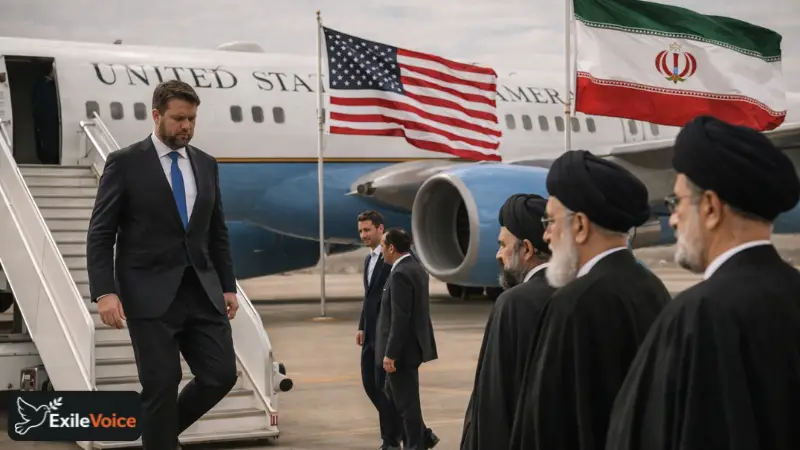
The high-stakes diplomatic marathon in Islamabad, intended to bridge the chasm between the United States and Iran, has concluded its first day with a palpable sense of stalemate. Following a grueling 21-hour session that stretched into the early hours of Sunday morning, U.S. Vice President-elect J.D. Vance officially departed Pakistan, leaving behind a team of negotiators including Jared Kushner and Steve Witkoff. The departure of such a senior figure before a final resolution suggests that while "good faith" efforts were cited, the core demands of both nations remain fundamentally irreconcilable at this stage.
A primary sticking point appears to be the nuclear file. In his briefing to the media before departing from Nur Khan Airbase, Vance emphasized that the United States remains uncompromising on ensuring Iran never acquires nuclear weapons capability. However, strategic analysts suggest that this focus on the nuclear issue may be intended more for a domestic American audience than the actual negotiating table. On the ground, the "bone of contention" is far more regional and economic. Iran is reportedly seeking full sovereignty and control over the Strait of Hormuz, including the right to collect tolls to compensate for past economic damages. The U.S. view on joint control or international oversight of this vital maritime artery is currently described as "too ambitious" by Iranian sources.
Iran’s response, conveyed through its Foreign Ministry and influential academic voices like Professor Mohammad Marandi, highlights a deep-seated distrust. The Iranian delegation has characterized American demands as "illogical" and "unilateral." Despite the presence of a 100-member delegation in Islamabad, indicating a serious intent to negotiate, Tehran has signaled that it will not compromise on its "red lines," which include the cessation of hostilities in Lebanon and the lifting of comprehensive UN and international financial sanctions.
The departure of J.D. Vance marks a transition in the talks from high-level political posturing to technical-level deadlock management. While the U.S. claims to have shown maximum flexibility, the Iranian side maintains that the current proposals do not offer the long-term security guarantees required for a sustainable peace treaty. As the second day of negotiations commences, the risk of escalation remains high, with both parties engaging in psychological warfare through the media to shape global opinion. The "90 percent chance of success" predicted by some optimists is now being tested by the reality of deep-rooted regional imbalances and the absence of a verified enforcement mechanism involving third parties like China or Russia.