The Pakistan Tehreek-e-Insaf (PTI) continues to navigate one of the most turbulent periods in its history, marked by conflicting reports regarding its parliamentary strategy and internal leadership directives. At the heart of the current debate is the question of whether PTI members should resign from all provincial and national assemblies, excluding the Khyber Pakhtunkhwa (KP) assembly, where the party holds significant power.
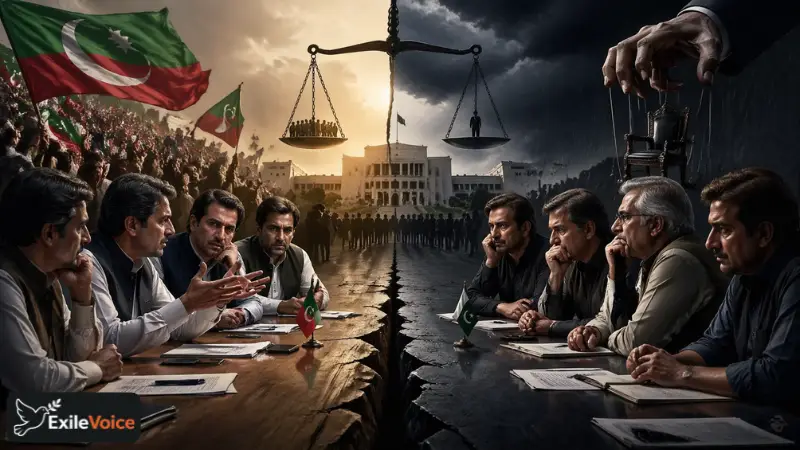
Recent reports suggested that the party's founder, Imran Khan, had issued a clear directive for mass resignations to delegitimize the current government. However, this was swiftly countered by legal and party representatives, such as Salman Safdar, who dismissed the claims as fabrications. This "denial and counter-denial" cycle reveals a deeper fracture within the party's ranks. On one hand, there is a "hardline" faction advocating for a complete exit from the system to force fresh elections. On the other, many sitting members are hesitant to vacate their seats, fearing that a total withdrawal would leave the party without a formal platform and further expose members to state pressure.
The reluctance to resign is also tied to the concept of "parliamentary legitimacy." The current administration often cites the presence of all political parties in Parliament as evidence of a functioning democracy to international observers, including the Commonwealth and the European Union. A mass resignation by PTI would shatter this narrative, which is why some analysts believe the state would likely delay or refuse to accept such resignations even if they were tendered.
Furthermore, the party faces a "transparency gap" regarding how decisions are communicated from leadership in detention to the public. The delay in clarifying positions, such as the postponement of previous rallies, has led to skepticism among the party's base. For PTI to maintain its momentum, it must reconcile the personal ambitions of its parliamentary members with the broader strategic goals of its top leadership. As the party struggles to speak with one voice, the internal tug-of-war over assembly seats remains a critical hurdle in its quest to challenge the status quo.