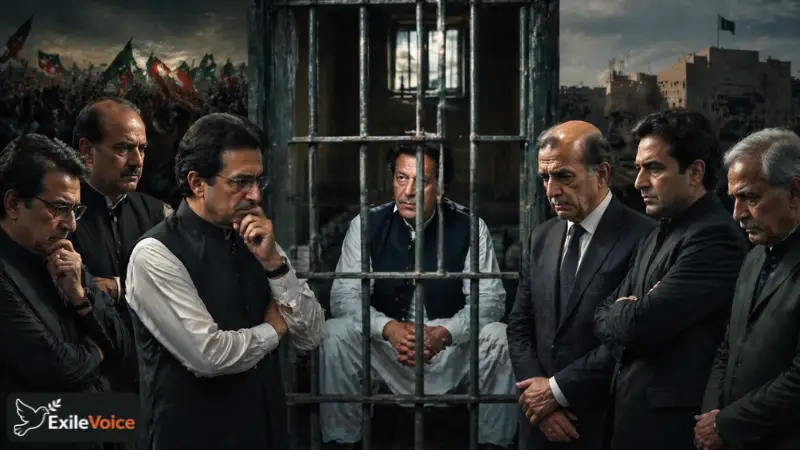
Recent developments surrounding the Pakistan Tehreek-e-Insaaf (PTI) and its incarcerated leader, Imran Khan, point toward a concerning shift in internal party dynamics. For the second consecutive week, high-ranking PTI leaders failed to attend scheduled meetings with Khan at Adiala Jail. This breakdown in communication occurs despite specific court orders from the Islamabad High Court facilitating these visits. The absence of key figures, including those nominated by the party’s legal representatives, suggests a growing sense of "disinterest" or perhaps a strategic distancing within the leadership.
The explanations provided for these absences have been varied and, in some cases, underwhelming. While some members cited personal emergencies, many others provided no explanation at all. This lack of coordination has drawn sharp criticism from senior party officials like Salman Akram Raja, who stressed that leaders should not "waste time" when the opportunity for consultation is provided. Perhaps most chiling for party loyalists is the absence of top-tier leaders like Barrister Gohar and Latif Khosa during designated meeting times. Even if the meetings are frequently blocked by jail authorities, the optics of not showing up send a demoralizing signal to the grassroots base.
This internal fragmentation comes at a time when the broader political landscape is shifting. Simultaneously, the state continues to exert pressure through legal and administrative means. The lack of a cohesive leadership response to these challenges raises questions about the party’s future direction and its ability to sustain a long-term opposition movement. For a party that prides itself on "loyalty to the chairman," the apparent reluctance of senior leaders to endure the bureaucratic hurdles of jail visits is a significant red flag.
As Pakistan navigates its economic and diplomatic challenges, the stability of its major political entities remains vital. The "Adiala Jail standoff" is no longer just a legal battle; it is a test of political will and internal unity for the country’s largest opposition party.