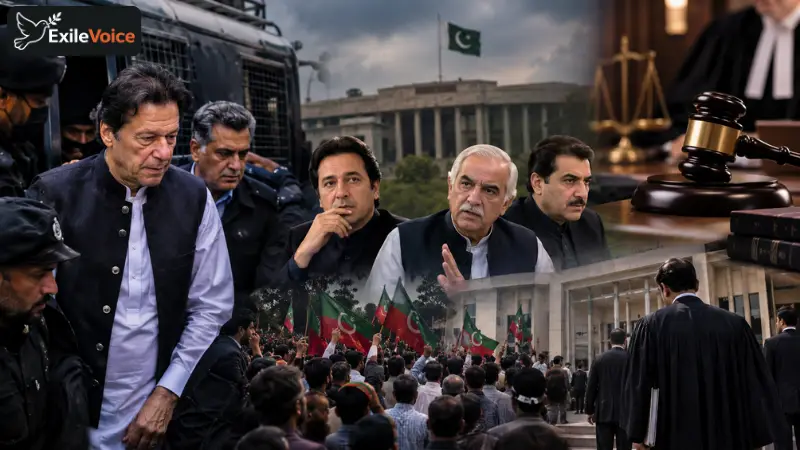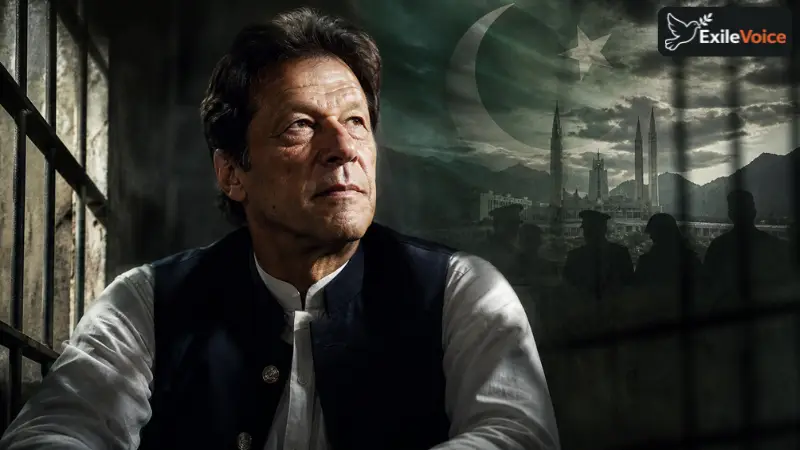
As of May 1, 2026, Imran Khan, the former Prime Minister of Pakistan and chairman of the Pakistan Tehreek-e-Insaf (PTI), has spent exactly 1,000 days in confinement. This milestone serves as a focal point for analyzing the current state of Pakistani democracy and the unprecedented standoff between a populist leader and the country's powerful military establishment. The narrative surrounding these 1,000 days is not merely about incarceration; it is a story of political endurance, the refusal to "deal," and the resulting paralysis of the traditional power structures in Islamabad.
The current political landscape, often referred to by critics as the "Form 47 Military Raj," highlights a deep-seated rift. Despite numerous legal challenges and convictions ranging from civil cases to those tried in military courts, Khan has maintained a steadfast refusal to seek a back-door exit or a "deal" to leave the country. This stance is significant in Pakistani political history, where leaders have traditionally opted for exile or compromise when faced with similar pressures. The resilience shown by Khan, and by extension his wife and senior party leadership including Shah Mahmood Qureshi and Dr. Yasmin Rashid, has reshaped the expectations of his voter base.
From a professional analytical perspective, this period has been defined by "Sabr" (patience) and "Istiqlamat" (steadfastness). While many advisors and analysts suggested that a deal was necessary for survival and future political maneuvering, Khan’s insistence on staying in Pakistan and facing the legal consequences has created a unique brand of political martyrdom. This has kept his popularity high despite his absence from the public eye. However, the cost of this resistance is evident. Reports indicate severe conditions of solitary confinement, restricted access to basic facilities, and health concerns for both Khan and his spouse.
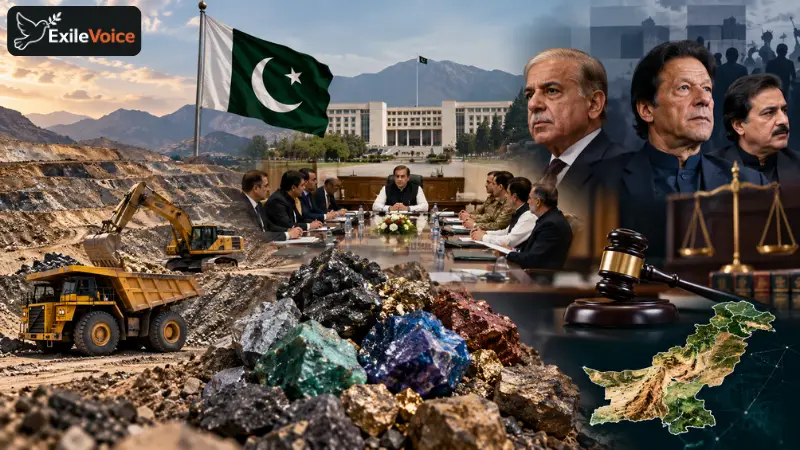
The broader implications for Pakistan are grave. The video analysis suggests that the country has entered a phase of severe economic and social distress during this period. With Pakistan ranking in the top 10 for food insecurity and grappling with a circular debt that continues to balloon, the political stability required for economic recovery remains elusive. The current administration's reliance on military-backed initiatives like the Special Investment Facilitation Council (SIFC) has yet to yield the transformative results promised. Ultimately, the 1,000-day mark is a testament to a leader who has decided that the price of his freedom will not be the "mandate of the people," setting the stage for a prolonged and unpredictable political struggle.