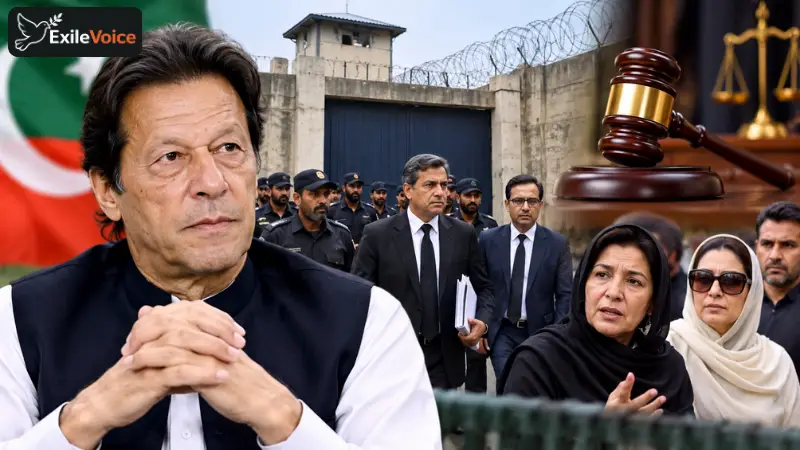

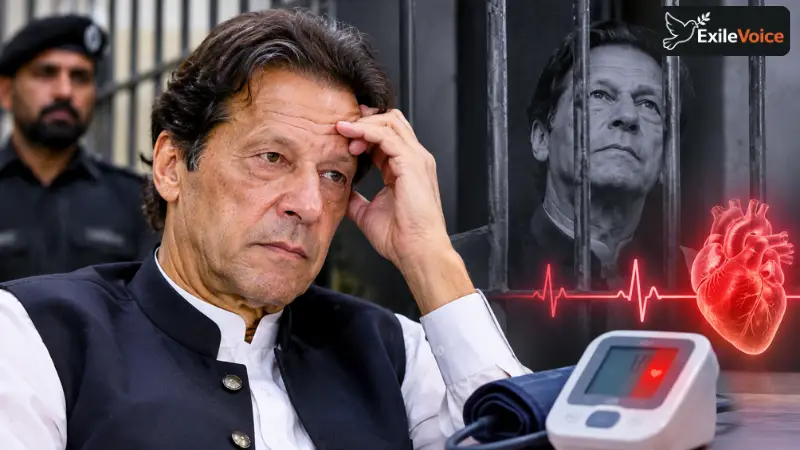
Recent developments surrounding the detention conditions of former Prime Minister Imran Khan have sparked intense international and domestic concern. According to an official statement issued by his sister, Rubina Khan, from the United Kingdom, Khan's blood pressure dangerously spiked to 192 following a sudden, unannounced legal visit at Adiala Jail in Rawalpindi. This alarming health development has intensified fears among his family, legal team, and supporters regarding his ongoing safety and well-being.
Legal representatives, including lawyer Salman Safdar, were granted a brief 40-minute meeting with Khan after a seven-month gap, marking the first such interaction in an extended period. Family members noted that the timing of the visit deviated from established visitation protocols, raising questions about transparency. Following the meeting, concerns regarding Khan's physical condition were communicated to his family abroad and his legal advisors, triggering immediate alarms among medical analysts and human rights observers.
Family statements and independent observers emphasize that Khan has historically maintained a rigorous athletic lifestyle with no prior medical history of chronic hypertension, cardiac issues, or diabetes. Medical professionals note that a sudden, severe spike in blood pressure for an individual over 70 years of age under isolated conditions is highly irregular. Consequently, the family has alleged that inadequate medical provisioning and prolonged solitary confinement are severely compromising his health, framing the situation as a deliberate endangerment of his life.
International bodies and legal advocates have previously scrutinized the conditions of Khan's detention. Working groups on arbitrary detention and various human rights organizations have repeatedly flagged concerns over prolonged isolation and restricted legal access. Despite a previous ruling by the Supreme Court of Pakistan directing authorities to transfer Khan to a private medical facility for comprehensive evaluation, family representatives claim that proper medical access has been consistently obstructed or mismanaged through bureaucratic maneuvers.
In light of these escalating health concerns, family and legal representatives are urgently demanding immediate transfer to an independent medical institution for thorough evaluation by preferred physicians. As political tensions mount and supporters call for peaceful legal recourse and public awareness, the focus remains firmly on ensuring transparent healthcare access and safeguarding the fundamental rights of detainees under Pakistani law.