The mark of 1,000 days in incarceration represents more than a chronological milestone for Imran Khan; it serves as a case study in the endurance of populist leadership under extreme duress. In a political landscape often defined by "deals" and strategic surrenders, the refusal to compromise has shifted the traditional Pakistani political paradigm. Historically, leadership in the region has been transactional, yet the current standoff suggests a departure into the realm of ideological fixity.
Wajahat S. Khan argues that the attempt to "erase" Imran Khan from the national consciousness through physical isolation, often referred to as solitary confinement, has inadvertently transformed him into a potent symbol of progress rather than a mere politician. This phenomenon is rooted in the "No Deal, No Surrender" mantra, which resonates with a generation that views the traditional status quo as stagnant. The analysis highlights that unlike "regular" politicians who may prioritize personal comfort or family proximity, Khan's trajectory has been defined by a series of unconventional breaks with the past, dating back to his early days in cricket when he challenged 400-year-old rules in English County cricket through sheer conviction and correspondence.
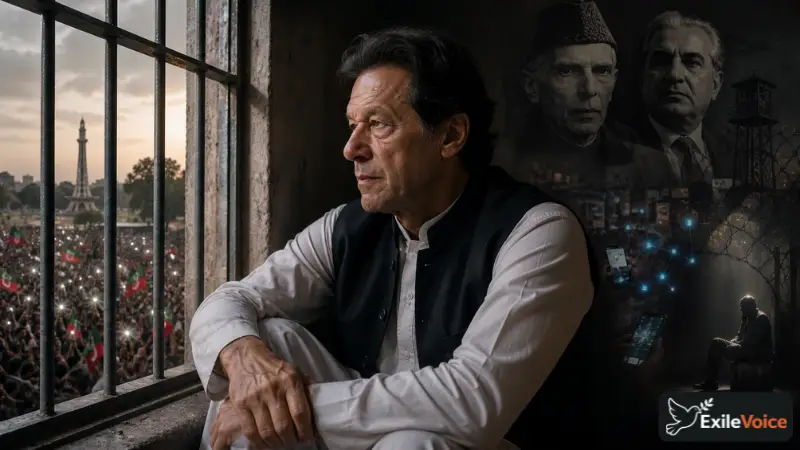
The psychological toll of such confinement is significant. The video contrasts Khan’s situation with past political prisoners in Pakistan, noting that modern solitary confinement functions as a form of psychological pressure rather than just physical detention .
This pressure is intended to break the "mythos" of the leader. However, the result has been a "digital insurgency" where a whole generation of supporters utilizes technology to maintain his relevance, effectively bypassing traditional media bans. This shift indicates that the "National Conversation" has been fundamentally altered, moving from drawing-room whispers to a global digital discourse that the state finds increasingly difficult to regulate.
Furthermore, the article explores the human cost of this resistance. The separation from his sons, Kasim and Sulaiman, is identified as perhaps his greatest personal sacrifice.
By humanizing a figure often seen only through a lens of grandiosity, the narrative bridges the gap between the "Legend" and the "Father," suggesting that the resilience observed is fueled by a mix of personal conviction and a sense of historical mission that transcends the immediate political stakes.