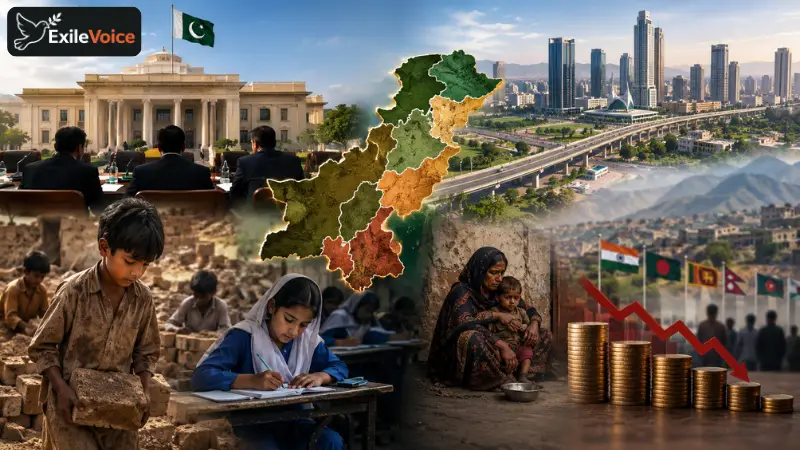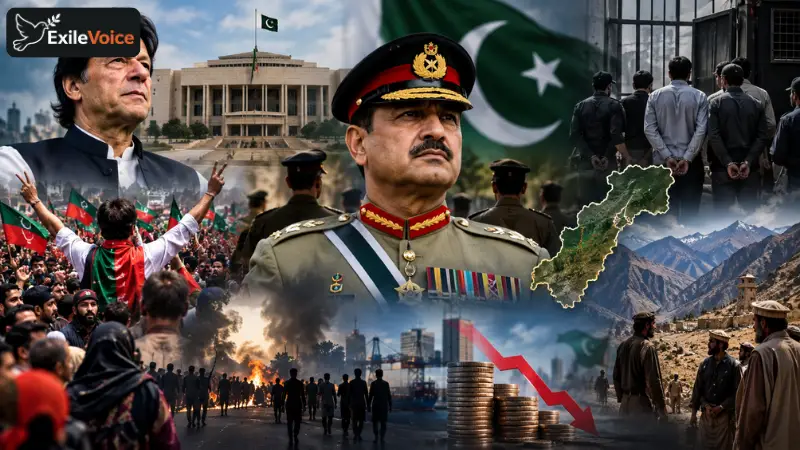
Pakistan is currently grappling with profound socio-economic disparities that have ignited public scrutiny regarding governance, transparency, and resource allocation. Recent instances, ranging from the acquisition of state-funded assets to the tragic realities of poverty, have highlighted a widening disconnect between state administration and the lived experiences of the average citizen.
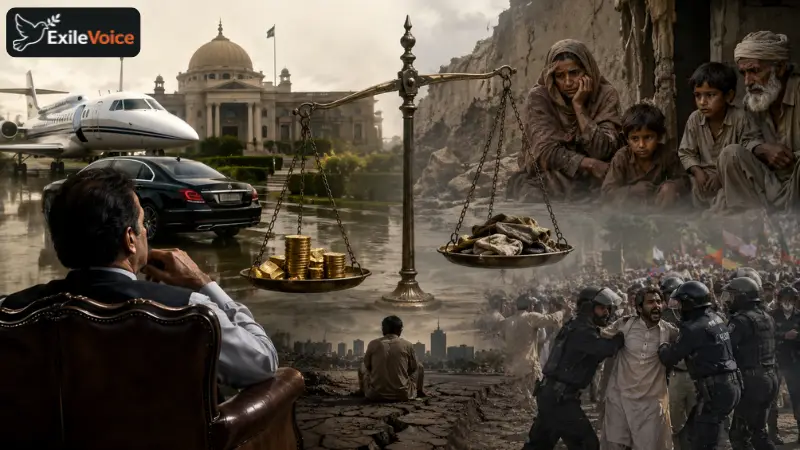
A significant point of contention has been the government’s acquisition of aircraft, viewed by many as an exercise in unnecessary luxury when compared against the backdrop of an economic crisis. The public discourse surrounding these expenditures often reflects a perceived lack of accountability, with officials defending decisions in a manner that critics interpret as disregarding public sentiment and the fiscal challenges facing the nation.
In stark contrast to these institutional spending priorities, the stark reality of poverty remains a pressing concern. Recent reports from regions such as Multan have brought to light the plight of citizens unable to afford basic necessities, including funeral arrangements for loved ones, due to systemic economic hardship. This dichotomy, the state's investment in high-cost infrastructure versus the individual's inability to secure basic dignities, has catalyzed a critical conversation about the government’s priorities.
Furthermore, issues regarding freedom of movement and state security, such as the restrictions placed on political figures attempting to engage with the public in sensitive regions, coupled with reports of harsh tactics used by law enforcement, have raised questions about civil liberties and the state’s approach to dissent and regional governance. The intersection of these issues points to a crisis of confidence in state institutions, where the fundamental duty to protect and provide for the populace is being overshadowed by political maneuvering and structural mismanagement.