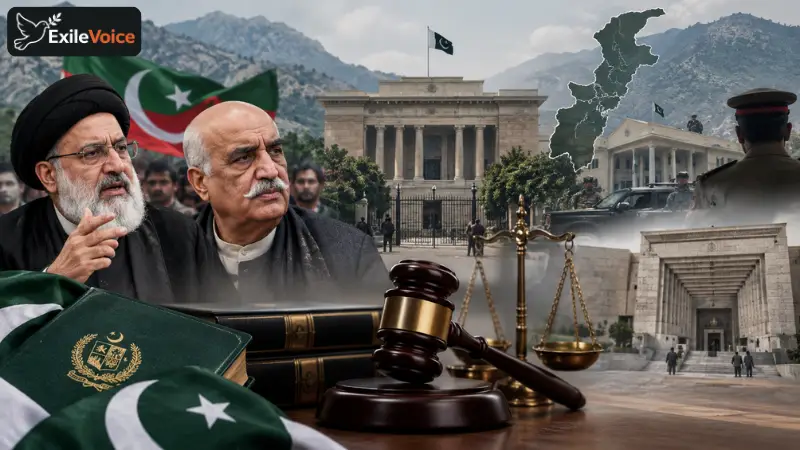
Gomal University in Dera Ismail Khan, Khyber Pakhtunkhwa, is currently embroiled in a complex administrative and ethical crisis that has sparked a heated debate regarding academic integrity and institutional autonomy. The controversy centers on the tenure of Dr. Zafar Baloch, who was appointed Vice-Chancellor (VC) by court mandate with the goal of rectifying the institution’s long-standing financial and administrative mismanagement.
Under Dr. Baloch’s leadership, the university began to address various systemic issues, including the timely payment of salaries. However, the situation escalated when a formal investigation into the institution’s academic records uncovered approximately 1,500 fake degrees. This discovery reportedly threatened several powerful individuals associated with the provincial government. Subsequently, the Khyber Pakhtunkhwa government placed Dr. Baloch on forced leave, a move that critics argue is an attempt to protect those implicated in the fake degree scandal.
Reports from various journalists suggest that the list of individuals potentially holding fraudulent degrees includes key aides to the provincial Chief Minister, Suhail Afridi, specifically naming Arif Khattak. These claims have created two opposing narratives: one side contends that Dr. Baloch was a reformer who was removed to shield influential figures from accountability, while the other suggests that the "fake degree scandal" was a smokescreen fabricated by the university administration to divert attention from allegations of illegal hiring and improper promotions conducted under controversial selection boards.
The implications of this scandal extend beyond the university, serving as a case study for the politicization of academic institutions. If the allegations of fake degrees within the university's leadership circle are accurate, it represents a profound failure of the education sector’s gatekeeping mechanisms. Experts and observers are now calling for an independent commission to investigate these claims thoroughly. The situation remains fluid, with transparency and a non-partisan inquiry essential to restoring the credibility of the university and ensuring that administrative power is not weaponized to undermine academic standards.