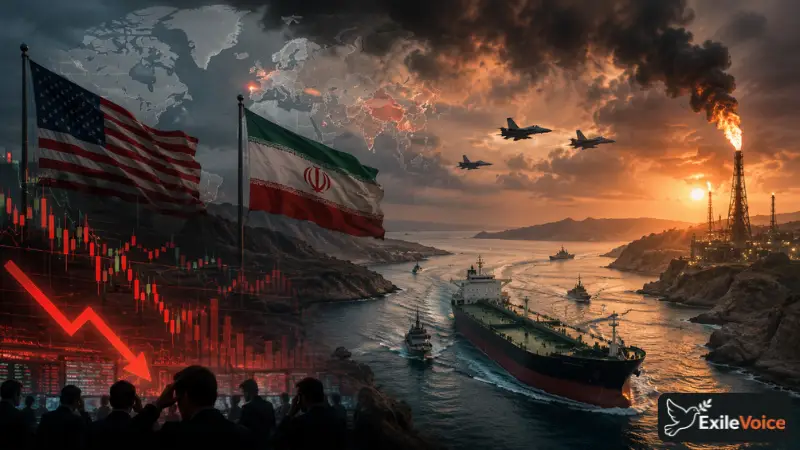
The geopolitical landscape in the Middle East is facing a precarious shift following renewed hostilities between the United States and Iran. According to recent reports, military tensions have escalated, with U.S. Central Command (CENTCOM) indicating actions across dozens of locations in response to alleged Iranian strikes on a tanker in the Strait of Hormuz.
This conflict, occurring against the backdrop of significant leadership transitions in Iran, has immediate and far-reaching economic implications. Global oil prices have experienced a notable spike, with analysts observing a 6 to 7 percent increase in the immediate aftermath of the announcement. This volatility is compounded by President Trump’s declaration that previous understandings and agreements regarding Iran are no longer in effect, signaling a withdrawal from diplomatic frameworks that had previously maintained stability.
Furthermore, the uncertainty is rippling through international financial markets. Major U.S. stock indices have experienced significant volatility, as investors weigh the risks of a broader regional conflict. This situation has necessitated a reassessment of global trade security, particularly concerning transit routes like the Strait of Hormuz, which are critical for energy transportation. As nations evaluate their positions, the economic repercussions, ranging from energy cost fluctuations to shifts in foreign investment, are placing immense pressure on regional stakeholders to navigate these turbulent waters without further destabilizing global markets.