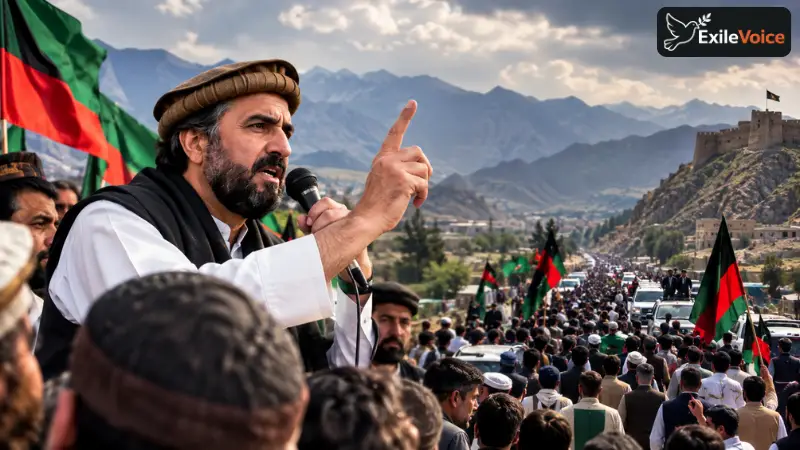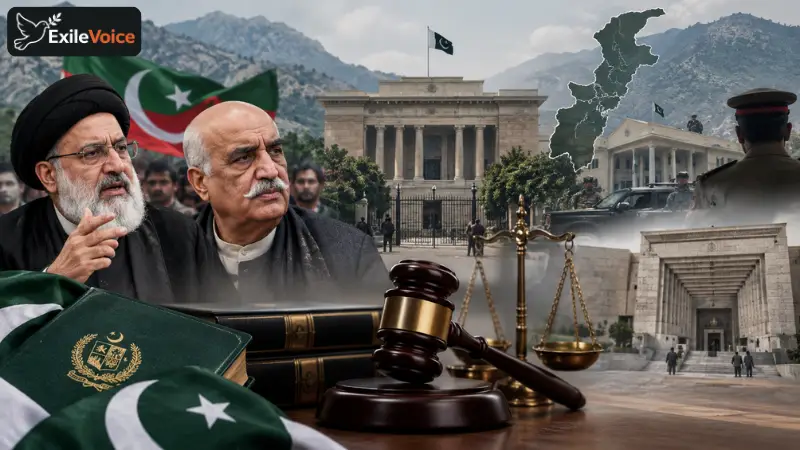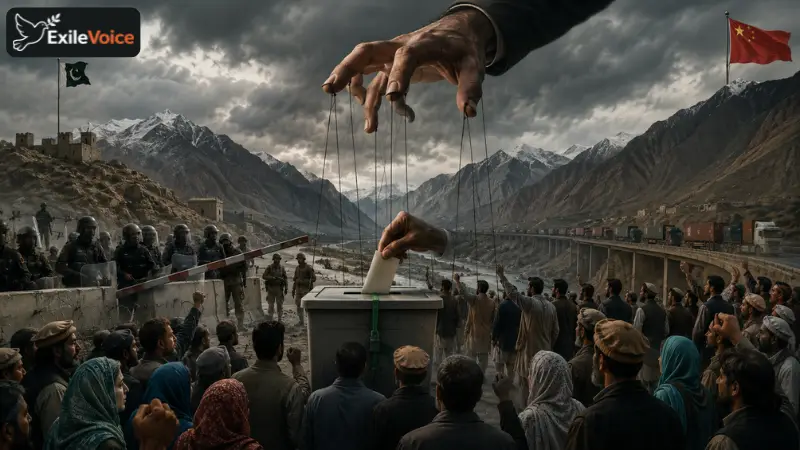
The Gilgit-Baltistan (GB) region is currently facing intense political turmoil as it approaches upcoming elections. Political analysts describe the situation as a "volcano" waiting to erupt, driven by claims of severe pre-election rigging designed to marginalize the Pakistan Tehreek-e-Insaf (PTI). Reports indicate that the PTI leadership is being actively obstructed from campaigning, with various administrative and security hurdles placed in their path.
The region, while strategically vital due to its borders with Afghanistan, China, and Khyber Pakhtunkhwa, occupies a complex legal status within Pakistan’s political framework. Despite this, the local population, noted for having some of the highest education rates in the country, is increasingly vocal about the lack of constitutional representation. Public sentiment suggests a growing alienation from the ruling establishment, which is perceived to be using coercive tactics rather than democratic engagement to maintain control.
Observers highlight that the current administration’s reliance on suppressing opposition, such as restricting the movement of prominent figures like Asad Qaiser, mirrors broader concerns about the erosion of democratic space in Pakistan. Furthermore, the situation in GB is complicated by internal security dynamics and the influence of neighboring states. With regional players closely watching the stability of the China-Pakistan Economic Corridor (CPEC) route that originates in GB, any internal unrest poses a significant risk to national and regional security. The call for a "free, fair, and transparent" election has become a focal point, as local activists and political leaders warn that continued disenfranchisement may lead to widespread civil dissatisfaction.