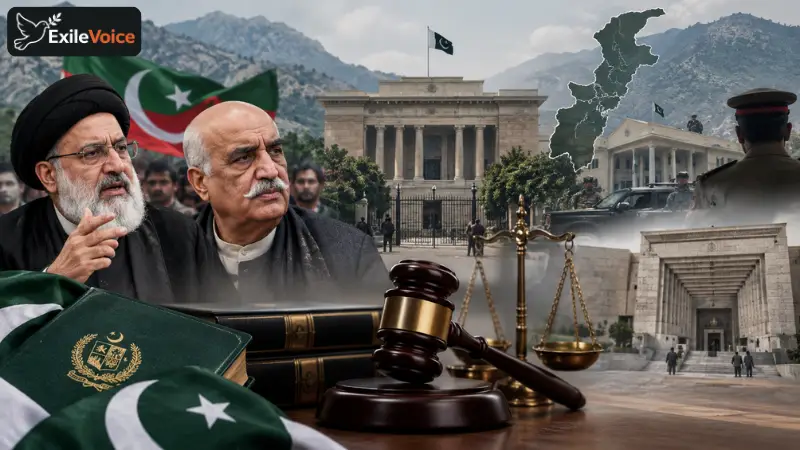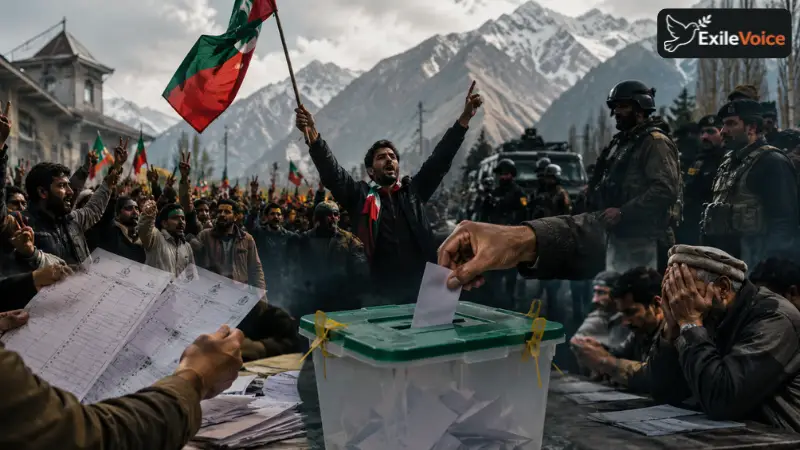
As polls closed in Gilgit-Baltistan, the political atmosphere became highly charged following claims of a "landslide victory" by the Pakistan Tehreek-e-Insaf (PTI) and immediate counter-allegations of electoral manipulation. While polling for the 24 directly elected seats generally proceeded without significant violence, the post-polling period has been marred by reports of irregularities.
Former Chief Minister Khalid Khurshid issued a stark warning, alleging that the election process was being hijacked. Khurshid claimed that in several polling stations, particularly those where PTI candidates held leads, ballots were being manipulated in favor of opposing candidates, with some stations reporting voter turnout figures that appeared statistically improbable. These allegations have been compounded by concerns regarding the deployment of security personnel. The administration opted to deploy Punjab and Islamabad police, controlled by the current federal government, rather than utilizing local or neighboring provincial law enforcement closer to the region.
Simultaneously, the Pakistan Peoples Party (PPP) has voiced its own grievances, mirroring the concerns previously raised by PTI during earlier general elections. PPP representatives have officially complained about the non-availability of crucial Form 45s, which are essential for verifying election results. This sense of distrust in the electoral process, coupled with reports of administrative interference and the presence of suspicious security elements, has created a volatile environment. As the unofficial results began trickling in, the stark contrast between the high voter energy supporting PTI and the allegations of organized rigging suggests that the post-election landscape in Gilgit-Baltistan will remain intensely contested.