

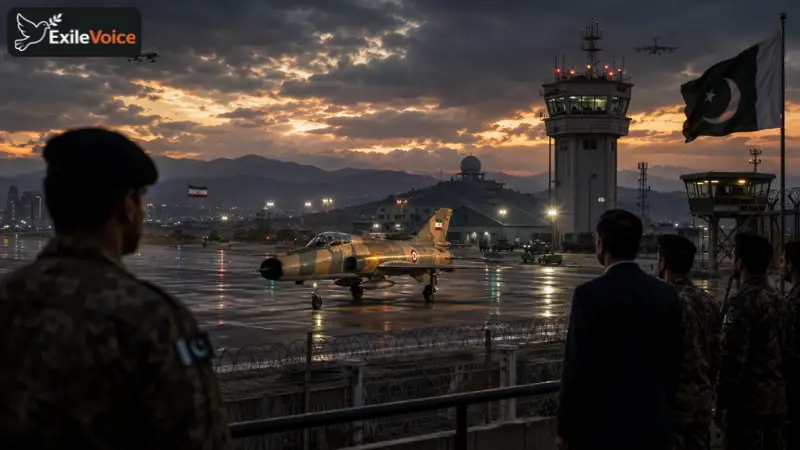
The landscape of South Asian geopolitics is currently navigating a period of intense scrutiny, particularly concerning the delicate balance Pakistan must maintain between its neighbors and global powers. A recent report by CBS News, a cornerstone of American broadcasting, has sent ripples through diplomatic circles by alleging that Iranian military aircraft were permitted to land and utilize Pakistan’s Nur Khan Air Base. This facility, situated strategically between Rawalpindi and Islamabad, is not just any military installation; it is a high-profile site that frequently hosts international dignitaries and high-level military leadership.
The timing of these allegations is particularly sensitive. They surfaced shortly after Pakistan played a mediation role in regional ceasefire efforts and hosted high-ranking U.S. officials. The Iranian Air Force is often characterized by its aging fleet, featuring vintage models like the F-14 Tomcat, a relic of the late 1970s. However, the presence of any Iranian military assets on Pakistani soil suggests a level of cooperation that could complicate Pakistan’s relationship with Washington. While Pakistani officials have moved to deny these claims, the narrative has been amplified by international outlets, including Israeli media and military-focused publications, suggesting a coordinated focus on Pakistan’s regional "double-dealing."
From a strategic perspective, these reports highlight a persistent trust deficit. Despite efforts by the current Pakistani military leadership to polish the nation’s international image, the shadows of historical associations, such as the presence of Osama bin Laden or ties with the Afghan Taliban, continue to loom large in the minds of the American establishment. This "media war" underscores a broader challenge: Pakistan is attempting to act as a regional mediator while simultaneously being viewed with suspicion by the very powers it seeks to appease. The situation is further complicated by Turkish media reports, which Pakistani officials have used to counter the Western narrative, asserting that Pakistan remains a vital and transparent player in regional peace.
Ultimately, the Nur Khan Air Base controversy serves as a microcosm of Pakistan’s larger foreign policy dilemma. In an era where information is weaponized, the discrepancy between official denials and international reporting creates a volatile environment. As Pakistan navigates its "Operation Sindoor" and other internal security paradigms, the ability to maintain a clean slate in Washington will depend heavily on its capacity to manage these high-stakes allegations and prove its commitment to a single, transparent strategic path.

