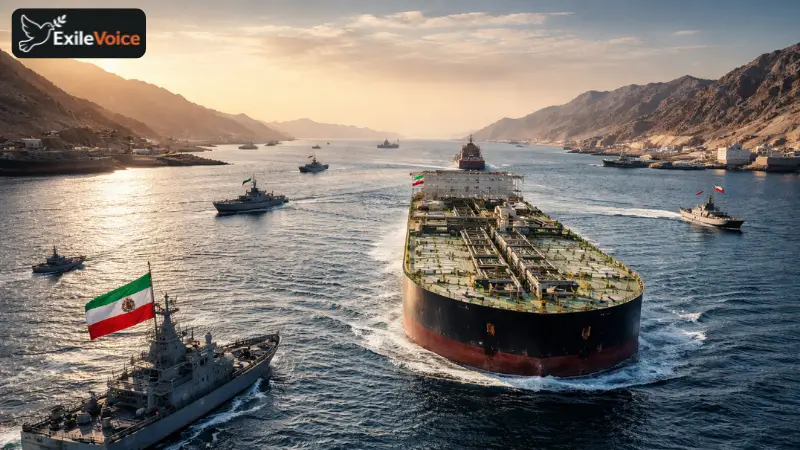
In a move that has sent ripples through global energy markets and diplomatic circles, Iran has announced a significant shift in its maritime policy regarding the Strait of Hormuz. Traditionally a point of high tension and frequent threats of closure, the recent "opening" and stabilization of traffic through this vital chokepoint represents a strategic pivot by Tehran. This development comes at a time when the Islamic Republic is navigating a complex web of international sanctions, internal economic pressures, and a shifting relationship with the incoming U.S. administration.
The Strait of Hormuz is arguably the most important oil transit point in the world, with roughly one-fifth of the world’s total oil consumption passing through its narrow waters daily. Historically, Iran has used its proximity to the strait as a form of "asymmetric leverage," threatening to block the waterway in response to Western sanctions or military posturing. However, the current initiative to facilitate smoother traffic suggests that Tehran may be seeking to project an image of a responsible regional player, perhaps as a precursor to renewed diplomatic negotiations.
This shift cannot be viewed in isolation from the "Trump Factor." With Donald Trump’s return to the global stage, Iran is acutely aware of the potential for a return to a "maximum pressure" campaign. By proactively ensuring the flow of commerce through Hormuz, Iran may be attempting to neutralize one of the primary justifications for increased naval presence by the U.S. and its allies in the Gulf. It is a calculated move to secure its own economic lifelines while simultaneously making it harder for the international community to justify further escalatory measures.
The economic motivations are equally compelling. Iran’s economy has been hamstrung by years of isolation. Opening the strait and encouraging maritime stability allows for better coordination with regional partners and ensures that its own exports, and those of its neighbors, reach global markets without the added cost of "conflict premiums" on insurance and shipping. This move also signals a potential warming of ties or at least a functional "de-confliction" with Gulf neighbors like the UAE and Saudi Arabia, who rely heavily on the strait for their economic survival.
However, skepticism remains. Critics argue that this "opening" is a tactical pause rather than a permanent change in doctrine. The infrastructure for disruption remains in place, and the Iranian Revolutionary Guard Corps (IRGC) still maintains a heavy presence in the area. For global energy security, the next few months will be a litmus test. If Iran maintains this posture of openness, it could lead to a rare period of stability in the Persian Gulf. If it is merely a feint, the world remains one miscalculation away from a global energy crisis.