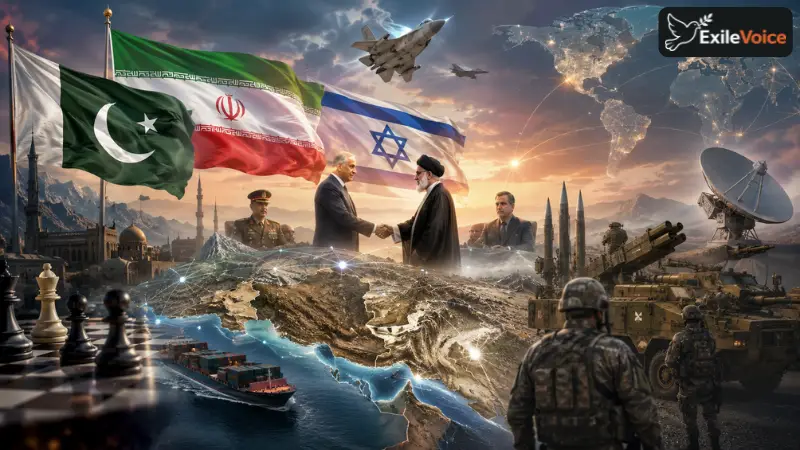
The geopolitical landscape surrounding Pakistan and its neighbors is currently undergoing a period of intense scrutiny and rapid transformation. Recent reports have highlighted the precarious nature of regional diplomacy, particularly concerning the interactions between high-level Iranian officials and Pakistani counterparts. The reported logistical challenges during diplomatic transit, necessitating an emergency landing in Mashhad, have opened a window into the heightened security climate, with international media outlets suggesting the influence of broader regional tensions, specifically involving Israel and Western interests.
Simultaneously, the Indian military's ongoing restructuring, characterized by the development of Integrated Battle Groups (IBGs) along its borders, signals a shift in tactical doctrine. This move is designed to enhance the operational flexibility of ground commanders and suggests a preparedness for complex, multi-front scenarios. Pakistan’s defensive posture and its strategic engagements, such as high-level visits to Belarus, underscore the country's need to navigate an increasingly interconnected and volatile security environment.
Furthermore, the influence of international actors on regional economic and political stability cannot be overstated. From the implications of global media coverage regarding Pakistan’s leadership to the potential for crypto-related economic deals involving international political figures, the intersection of finance and foreign policy is more pronounced than ever. As these narratives develop, regional stakeholders face the dual challenge of managing domestic expectations while ensuring national security in an era defined by global power shifts.