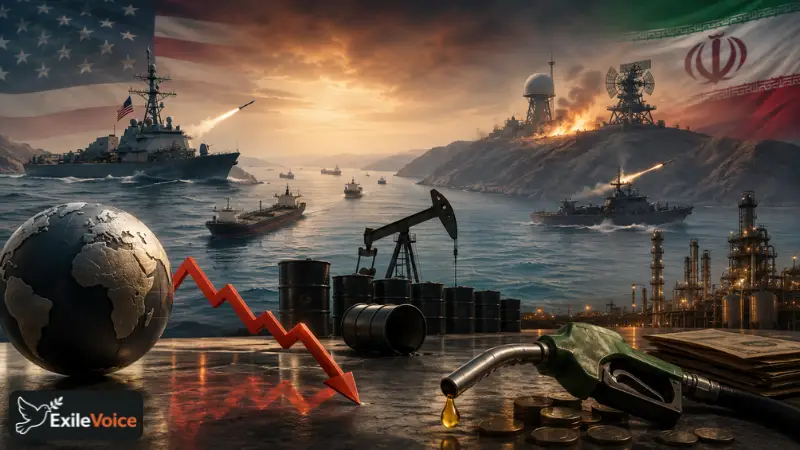
The recent escalation between the United States and Iran in the Strait of Hormuz has brought renewed focus to the fragility of global energy markets. With both nations confirming reciprocal strikes targeting radar installations and naval assets, the threat of sustained conflict remains a critical variable for international observers. While immediate, full-scale warfare appears unlikely, the persistent nature of these "minor" skirmishes creates an environment of perpetual instability that market analysts suggest will prevent long-term peace in the region.
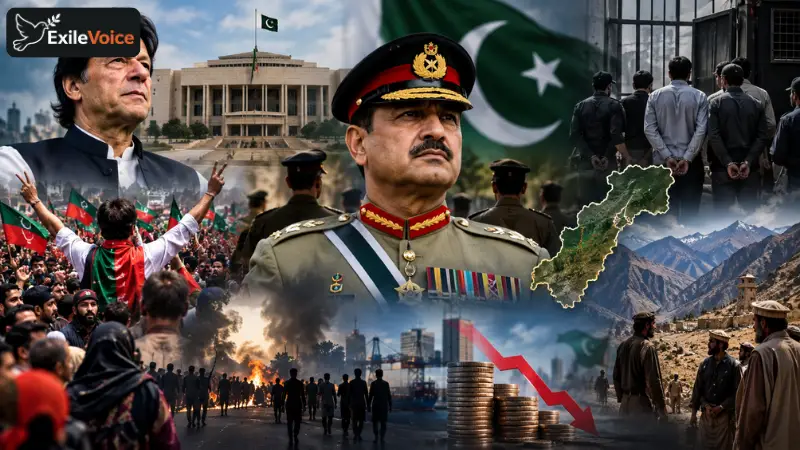
From an economic perspective, the global oil market is currently facing significant downward pressure, with prices hovering near the $70 per barrel threshold. Should prices drop below the $65 mark, experts caution that this could signify a market crash, potentially dragging prices even lower. Despite this softening in international market rates, domestic fuel prices in Pakistan remain stagnant. Critics argue that the current administration’s refusal to pass on the benefits of lower global oil prices to the public is a miscalculation that places an undue burden on citizens who are already paying record prices compared to the pre-conflict era.
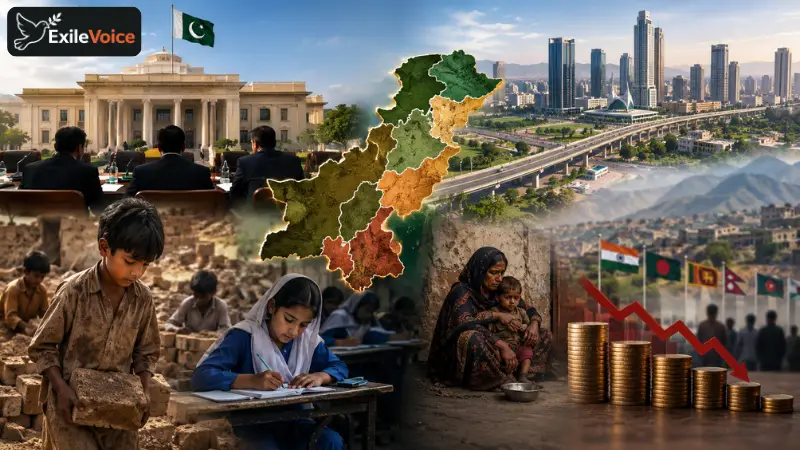
Furthermore, a comparative analysis highlights regional differences in policy. While the Indian government reportedly absorbed approximately $13–15 billion in subsidies to shield its population from the inflationary impact of global oil price hikes, Pakistan has opted for a different strategy, maintaining high levies and taxes. This disparity in economic management has ignited public debate regarding the necessity of reform and the state's role in mitigating the economic fallout of international tensions.