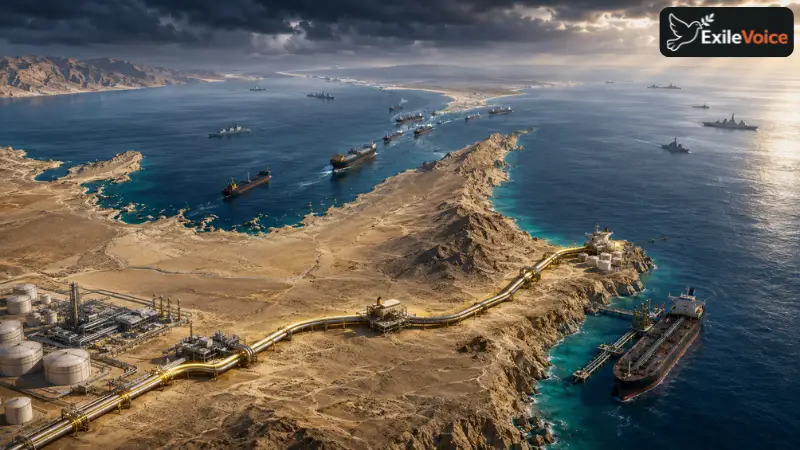
The Strait of Hormuz remains one of the world's most critical maritime chokepoints, facilitating the transit of approximately one-fifth of global petroleum and liquid natural gas consumption. This concentration of energy transport introduces significant systemic risks for Gulf hydrocarbon exporters, as regional geopolitical frictions regularly threaten to disrupt maritime traffic through the strait. Prolonged instability or security threats along this specific route directly impact global energy markets, inducing price volatility and challenging the supply security of major importing economies.
To mitigate this vulnerability, the United Arab Emirates (UAE) is actively pursuing a long-term infrastructure diversification strategy designed to decouple its export capacity from the logistical constraints of the Persian Gulf. The core of this initiative involves the development of high-capacity onshore pipelines connecting major production fields directly to export terminals located on the Gulf of Oman, bypassing the Strait of Hormuz entirely. This infrastructural pivot builds upon existing operational assets, such as the Abu Dhabi Crude Oil Pipeline, which currently channels up to 1.8 million barrels per day to the bunkering hub of Fujairah.
The next phase of this strategy involves expanded pipeline infrastructure traversing regional borders to terminate in strategic coastal zones of Oman. By establishing deepwater export points directly facing the Arabian Sea, the UAE structurally alters its logistics architecture, ensuring uninterrupted access to global shipping lanes even during acute regional conflicts. This network provides a redundant export mechanism that can scale up operationally during maritime emergencies.
Furthermore, this infrastructure development possesses significant regional implications. By establishing a proven overland bypass network, the UAE can position itself as a logistics service provider for adjacent oil-producing nations, such as Saudi Arabia, offering alternative transit options during maritime closures. This strategic shift diminishes the geopolitical leverage traditionally held by littoral states commanding the chokepoint, shifting the balance of economic and security dynamics within the Middle East toward more resilient, land-based infrastructure networks.