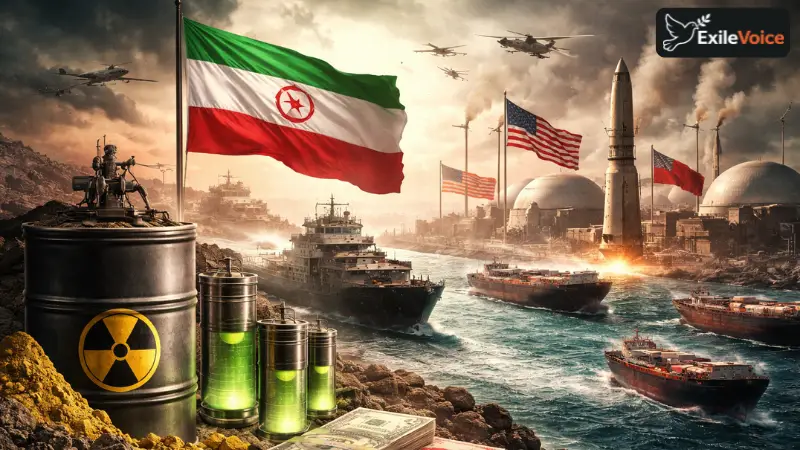
The global energy landscape is currently witnessing a tectonic shift as the focus of the conflict in the Middle East migrates from maritime blockades to nuclear concerns. For months, the Strait of Hormuz served as the primary flashpoint of international tension, representing a vital artery for global oil supplies. However, recent developments indicate a strategic pivot in the narrative. While the revolutionary guards in Iran maintain that the previous restrictive status of the Strait remains in effect, international mediators and major powers are increasingly centering discussions on Iran's uranium enrichment levels.
This shift in focus is not merely rhetorical; it represents a calculated move to de-escalate immediate maritime threats while addressing long-term nuclear proliferation concerns. Reports indicate that a significant deal involving approximately $20 billion in frozen Iranian assets is being negotiated in exchange for a reduction or removal of enriched uranium. This potential agreement highlights a complex balancing act: the United States seeks to ensure that uranium is either diluted or moved to a third country, while Iran insists on maintaining its nuclear infrastructure within its borders for medical and energy purposes.
Adding to the complexity is the emergence of alternative currency markets. In a notable departure from the long-standing dominance of the U.S. dollar in oil trade, reports suggest that India has begun settling oil payments with Iran using Chinese currency. This move signifies a broader trend toward "de-dollarization" in the energy sector, particularly among nations seeking to bypass unilateral sanctions. As these economic maneuvers unfold, the role of mediators becomes paramount. Pakistan, positioned as a key diplomatic conduit, has seen its military leadership engage in late-night shuttle diplomacy between Tehran and Islamabad, underscoring the high stakes of the ongoing negotiations.
The regional volatility is further compounded by shifting alliances and the use of "media posturing" by both sides. While official statements from Washington claim a successful blockade, on-the-ground reports suggest that empty tankers continue to reach Iranian ports to load crude oil. This discrepancy between public narrative and operational reality suggests that the "blockade" may be more of a political tool intended to satisfy domestic audiences than a complete economic seal. As the world watches the resumption of talks in Islamabad, the resolution of the uranium impasse will likely dictate the stability of global energy markets for the foreseeable future.