The current state of US-Iran relations, marked by heightened hostilities and the collapse of previous diplomatic understandings, represents a volatile juncture in global geopolitics. Following reports of military strikes and rising casualties among Iranian military personnel, the discourse between Washington and Tehran has grown increasingly acrimonious. The narrative of "honor" and "trust" dominates the rhetoric, with both sides accusing the other of violating established agreements and engaging in destabilizing behavior.
A significant point of tension stems from the alleged violation of a Memorandum of Understanding (MOU) signed in June 2026. Proponents of this view argue that the agreement provided a framework for managing maritime security and state-led economic interests, which the US has failed to honor. Conversely, US leadership characterizes the Iranian regime as untrustworthy, leading to further escalations in rhetoric and military posture. The strategic concern in Washington is exacerbated by the perception of threat, with former President Donald Trump publicly claiming that Iranian entities pose a direct threat to his safety, a concern that analysts suggest may be influenced by third-party intelligence narratives.
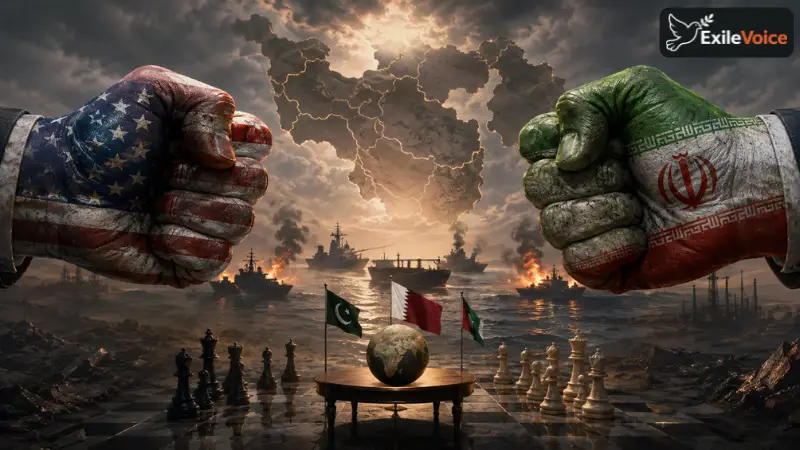
The impact of these tensions is not contained within the bilateral relationship. Regional powers like Pakistan and Qatar are increasingly positioning themselves as diplomatic intermediaries, attempting to bring Tehran and Washington back to the negotiation table. These efforts underscore the reality that both nations remain critical to the stability of the Middle East, despite the current cycle of tit-for-tat military actions. The potential closure of the Strait of Hormuz, threatened by Iran in response to continued strikes, poses a massive risk to global energy security, further elevating the stakes for international stakeholders.
Furthermore, the domestic political environments in both the US and Iran are currently driving these foreign policy stances. In the US, the focus on electoral politics and domestic scandals often dictates the intensity of the official reaction, while in Iran, the focus remains on internal stability and state-led narratives surrounding the transition of power. This domestic preoccupation complicates efforts at sustained diplomatic engagement, as both parties are incentivized to maintain a confrontational stance to satisfy internal audiences.
As the situation unfolds, the effectiveness of mediation efforts by regional allies will be the primary indicator of whether the current conflict can be de-escalated. A return to the table would necessitate a departure from the current reactive posture, where each side focuses on the immediate tactical gain rather than long-term strategic stability. Without a concerted move toward de-escalation and the re-establishment of a credible diplomatic framework, the risk of a miscalculation that spirals into broader regional conflict remains a pressing concern for international observers.