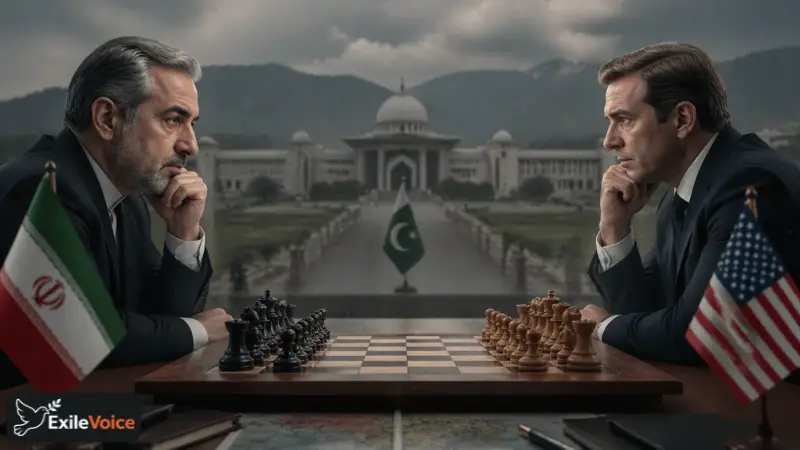
2. Content The diplomatic corridors of Islamabad have become the centerpiece of an intense geopolitical chess match involving Iran, the United States, and regional stakeholders. As of late April 2026, the arrival of Iranian Foreign Minister Dr. Abbas Araghchi in Pakistan marks a critical juncture in regional engagement. While the Iranian side officially frames this as a "regional engagement tour", encompassing stops in Islamabad, Muscat, and Moscow, the undercurrents suggest a far more complex negotiation. The visit aims to brief regional partners on Iran’s current position, yet it coincides with reports of a high-level American delegation potentially heading to the same location.
From the American perspective, there is talk of a delegation including Steve Witkoff, the U.S. Middle East envoy, and Jared Kushner, potentially traveling to Pakistan to "listen" to Iranian proposals. This narrative is fueled by statements from the White House Press Secretary, indicating a willingness to explore Iranian offers if they are deemed "worth the time." However, this creates a significant credibility gap. While the U.S. side projects a sense of Iranian desperation for a proposal, the Iranian Foreign Ministry has explicitly denied any plans for a direct meeting with American officials in Islamabad. This "disinformation war" is characteristic of high-conflict zones where both parties seek to maximize their leverage.
The timing of these events is crucial. If Araghchi is forced to wait an inordinate amount of time for an American delegation that may or may not arrive, it could be interpreted as a sign of diplomatic desperation, a narrative the U.S. appears keen to promote. Conversely, if the American delegation fails to materialize, it exposes a lack of strategic cohesion or perhaps a deliberate attempt to unsettle the Iranian leadership. Furthermore, the role of Jared Kushner remains a point of contention for Tehran, which views him as an agent for Israeli interests rather than a neutral mediator.
The strategic depth of this standoff is further illustrated by the continued imposition of U.S. sanctions. Within the same 24-hour window as these diplomatic overtures, the U.S. Treasury intensified pressure on Iran’s oil trade networks in China, targeting over 40 shipping companies and tankers. This "maximum pressure" tactic contradicts the public image of a administration ready for serious dialogue. For Pakistan, serving as the host for such high-stakes maneuvering places it in a delicate position, balancing its ties with its neighbor against its strategic partnership with Washington.