

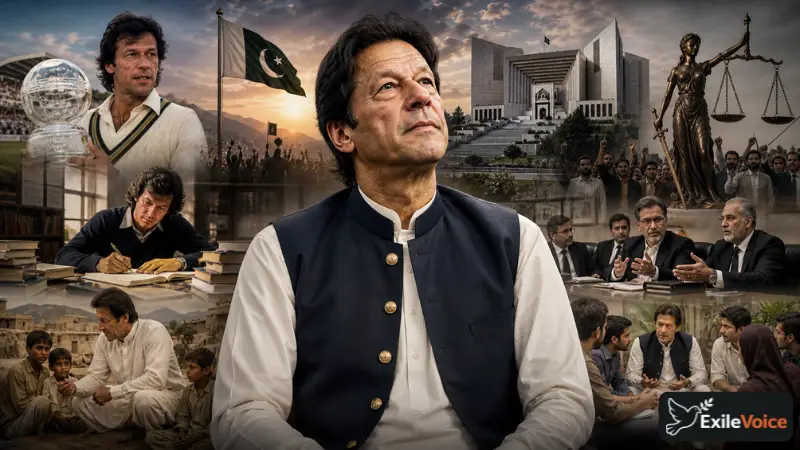
The journey of a leader from the sporting arena to the highest office of the land often involves a profound evolution of thought and principle. In the Pakistani context, this trajectory is best exemplified by the early writings and subsequent actions of its most polarizing figures. Examining reflections from as far back as 1983 reveals a surprisingly consistent worldview regarding the socio-economic priorities of the Global South. Even in his early thirties, the focus remained on the detrimental effects of excessive defense spending at the expense of human development and home economies, a stance that remains a cornerstone of contemporary political debate.
True leadership is often distinguished from mere "politics" by the adherence to a core set of principles, even when those principles lead to personal or professional hardship. Historical parallels can be drawn between modern leaders and the founding figures of the nation, particularly in their refusal to operate within the "comfort zones" established by the ruling elite. This "insistence on principles" frequently leads to misunderstandings with the press and establishment, yet it is this very friction that often sparks a national awakening. A leader who views their popularity as "temporary adulation" rather than a permanent entitlement is better equipped to make decisions that prioritize long-term national interest over short-term survival.
Professional insights into this brand of leadership suggest that it functions by changing the "National Conversation." By introducing a discourse of self-reliance and moral clarity, a leader can split generations, not necessarily out of malice, but by forcing a choice between the old ways of patronage and a new path of merit and justice. This transformative power is what makes such figures both revered and feared. It is not just about the individual; it is about the movement or "tehreek" they represent, a collective push for structural change that outlasts the leader’s physical presence in office or public life.
In the current era, this leadership is tested by institutional pressures and legal challenges. The role of the judiciary and the bravery of individual judges who question arbitrary transfers or the targeting of the legal system are integral to this story. When professionals from diverse fields, be it law, journalism, or academia, begin to echo the same concerns regarding civil liberties and the rule of law, it indicates that the leadership’s message has transcended party lines and become a broader movement for institutional reform.

