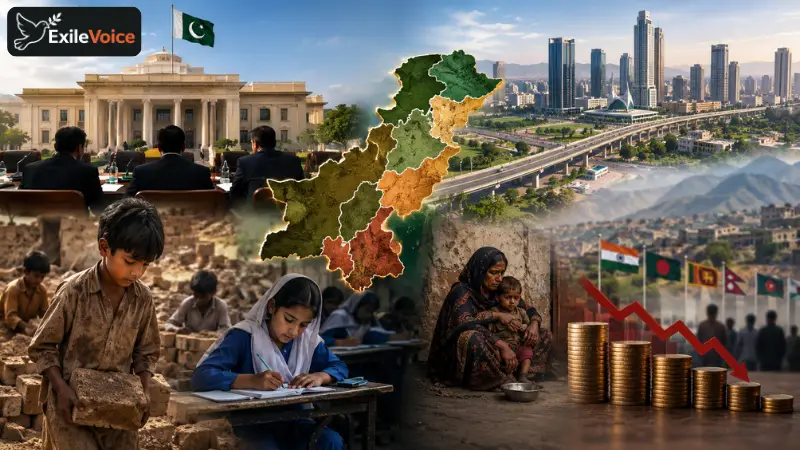
Pakistan’s current economic landscape is characterized by persistent challenges in fiscal management, particularly regarding the allocation of public funds and the transparency of government expenditure. Recent reports suggest that regional administrations, including those in Khyber Pakhtunkhwa (KP), have faced scrutiny over how budgetary resources are deployed, especially when official allocations appear at odds with subsequent supplementary expenditures.
One primary concern relates to the "austerity" narrative often promoted by political factions. While there are calls for belt-tightening and fiscal discipline, critics point to instances where significant sums are allocated for the maintenance and beautification of offices and residences for high-level officials. For example, reports have noted substantial expenditures on interior decoration for bureaucratic offices while the public faces the burden of increased taxes on essential goods, including educational stationery.
Furthermore, the budgetary process is often criticized for a lack of transparency. When funds are initially omitted from formal budgets only to appear later as "supplementary grants," it raises questions about the integrity of fiscal planning. This practice creates a gap between the stated policy of the government and the actual financial outcomes.
The intersection of political negotiation and economic policy is also evident in the discourse surrounding the National Finance Commission (NFC) awards and regional taxation. Political leaders and representatives are increasingly caught in a balancing act between demanding more autonomy and resources for their provinces and the realities of a federal structure that requires shared financial responsibility. The involvement of political figures in negotiating these economic outcomes, often alongside discussions about the private business interests of influential individuals, further complicates the public perception of these negotiations.
Ultimately, effective economic governance in Pakistan requires a departure from short-term populist measures toward sustainable, transparent fiscal policies. Ensuring that public funds are utilized for the benefit of the citizenry, rather than for bureaucratic overhead or political maneuvering, remains the central challenge for the current economic administration.