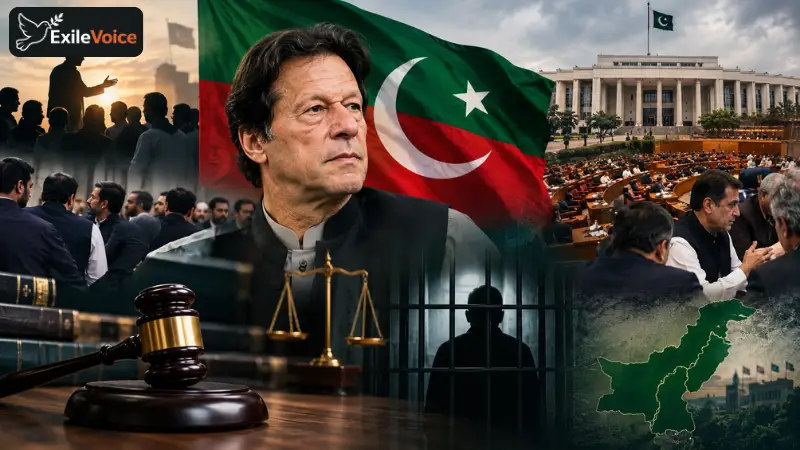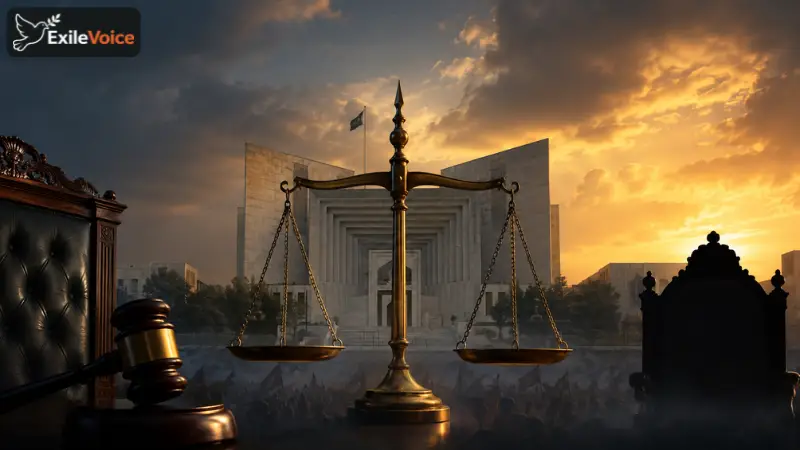
The political landscape of Pakistan continues to undergo intense scrutiny as analysts evaluate the durability of Prime Minister Shahbaz Sharif’s government. Persistent speculation surrounds whether structural plans are being formulated to transition away from the current administration, prompting deep reflections on institutional dynamics. Observers of Pakistani politics frequently debate the perceived involvement or utilization of the Supreme Court in political transitions, raising critical questions about the separation of powers and judicial independence within the country.
At the core of these political discussions is the historical tension between executive governance and judicial oversight. Analysts examine how high-profile legal challenges, institutional friction, and legislative adjustments impact the longevity of coalition governments. The current administration, navigating economic pressures and a fragmented political opposition, faces multi-faceted challenges that test its administrative resilience. Public discourse often focuses on whether legal frameworks are being leveraged to alter political outcomes or if the judiciary remains an independent arbiter amid escalating partisan friction.
Furthermore, the discourse underscores the broader implications for democratic continuity in Pakistan. Frequent speculation regarding government changes creates an environment of policy uncertainty, affecting both domestic governance and foreign investor confidence. Political commentators emphasize that institutional stability relies heavily on adherence to constitutional norms, transparent governance, and respect for the institutional boundaries defined by the constitution. As political actors position themselves for potential shifts, understanding the interplay between the judiciary and the executive branch remains vital for assessing the trajectory of Pakistan's political future.