The geopolitical landscape of the Middle East is currently witnessing a volatile shift as the standoff between the United States and Iran intensifies within the strategic waters of the Strait of Hormuz. Recent developments have moved beyond mere rhetoric, transitioning into active maritime confrontations that threaten global energy security. Following a brief period of perceived de-escalation, where Iran’s Foreign Minister, Dr. Abbas Araghchi, initially announced the opening of the Strait, the situation has regressed into a state of high alert. This reversal followed President Donald Trump’s decision to maintain a strict naval blockade, a move that Iran views as an act of war.
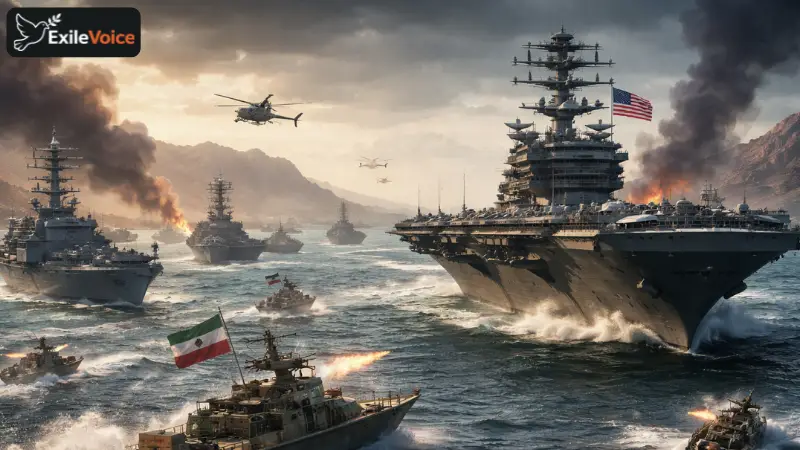
The Iranian Revolutionary Guard Corps (IRGC) has responded aggressively to the continued blockade by targeting international vessels, including tankers carrying flags from India and France. These attacks, executed via high-speed gunboats without prior warning, have effectively halted transit through one of the world's most critical maritime chokepoints. While the political leadership in Tehran, led by President Masoud Pezeshkian, had signaled a willingness to negotiate a ceasefire, the IRGC’s actions suggest a significant internal rift or a coordinated "good cop, bad cop" strategy designed to force the U.S. to lift its naval restrictions.
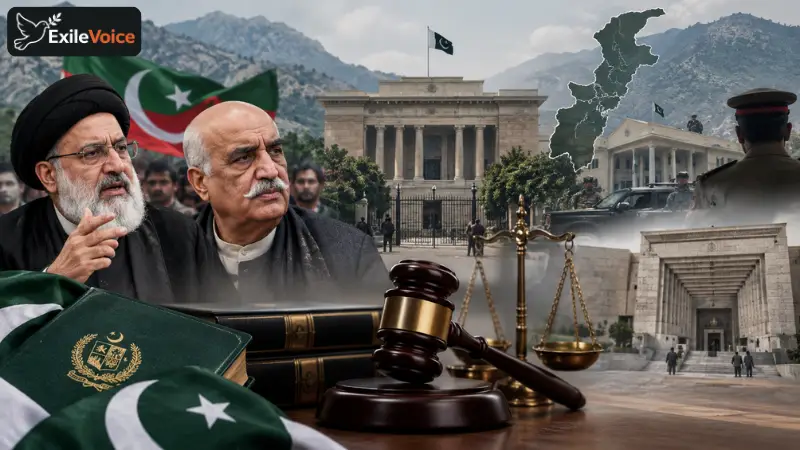
President Trump’s stance remains uncompromising. In recent communications, he has abandoned his "Mr. Nice Guy" persona, explicitly threatening to annihilate Iran’s critical infrastructure, including power plants and bridges, should a favorable deal not be reached. The U.S. administration is currently leveraging its domestic energy independence, citing record production in Alaska, Louisiana, and Texas, to signal that it can withstand a prolonged closure of the Strait better than the rest of the world. However, the international community remains on edge as the Monday deadline for negotiations in Islamabad approaches.
The strategic dilemma for the U.S. is whether to double down on military escalation or adopt a "third option" advocated by some former officials: recognizing the limitations of force and withdrawing from the immediate quagmire. Historical parallels are being drawn to Ronald Reagan’s 1983 withdrawal from Lebanon, suggesting that a calculated retreat might serve long-term American interests better than a decade-long entanglement in a regional war. As the world watches, the upcoming diplomatic rounds in Pakistan remain the last buffer between a fragile peace and a catastrophic regional explosion.