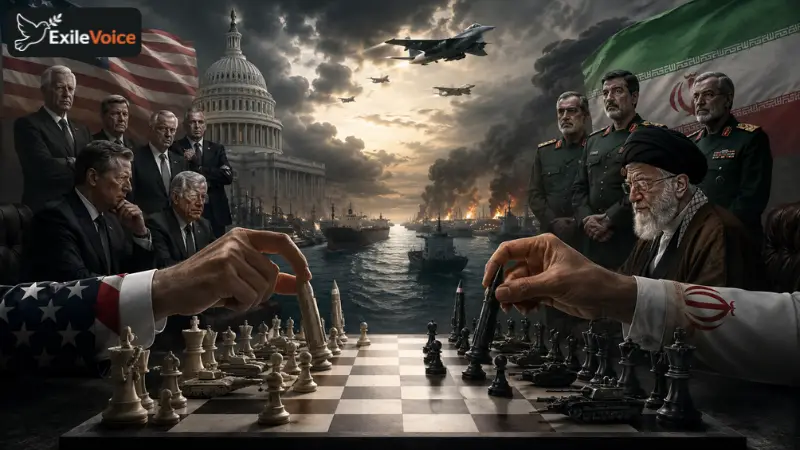
The escalating confrontation in the Persian Gulf is increasingly driven by domestic political calculations inside Washington, creating a precarious environment where diplomatic flexibility is constrained by hardline legislative demands. This domestic pressure was made clear by a formal communication sent to the executive branch by senior leadership within the Senate Republican caucus. The message urged the administration to finish what was started, advocating for decisive military action rather than prolonged diplomatic concessions. This hawkish rhetoric from key lawmakers reduces the political space for compromise, forcing decision-makers toward a maximalist posture that complicates international mediation efforts.
This hardline domestic environment has led to visible shifts in executive schedules, signaling a pivot toward an active crisis footing. High-level political figures abruptly altered long-standing personal commitments and travel itineraries, redirecting focus to urgent national security briefings in Washington. While these movements fuel international speculation regarding the timing of potential military action, they also reflect a broader calculated strategy designed to maintain psychological pressure on Tehran. By projecting an image of imminent operational readiness, Washington aims to force compliance at the negotiating table, though it risks triggering an unintended defensive reaction from its adversary.
Tehran's leadership has responded to these coercive tactics with defiance, anchoring its position in historical resilience and a refusal to negotiate under explicit threats. Ayatollah Mojtaba Khamenei issued a stern warning to international intermediaries, stating that any external aggression against Iranian territory would trigger a conflict that extends far beyond regional borders. This strategic warning underscores Iran's asymmetric warfare capability, implying that any disruption to its domestic stability would immediately impact global energy corridors and international trade security, effectively transforming a localized confrontation into a global economic crisis.
The current diplomatic gridlock is further exacerbated by structural trust deficits regarding international treaties. Memory of the unilateral dissolution of past diplomatic frameworks heavily influences Iran's current negotiating team. Tehran views verbal agreements as functionally obsolete, insisting that any future arrangement include binding legal mechanisms that cannot be dismantled by future political shifts in Western capitals. With Washington highly resistant to granting such binding concessions due to its own internal legislative pressures, the mediation efforts led by regional allies remain caught in a dangerous cycle of brinkmanship.