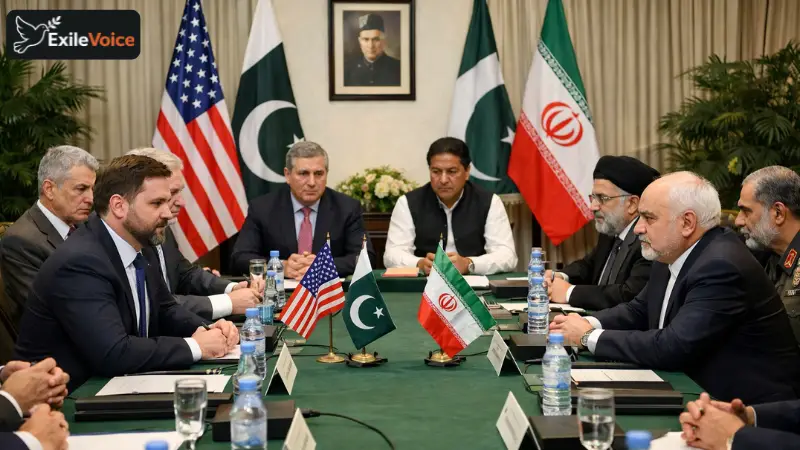
The geopolitical landscape is witnessing a significant shift as reports emerge of a potential diplomatic breakthrough between the United States and Iran. International media outlets, including RT, CNN, and Al Jazeera, have indicated that high-level negotiations are set to resume, with Islamabad once again surfacing as a pivotal neutral ground for these discussions. While Vienna and Istanbul remain on the shortlist of alternative venues, the recent history of talks in the Pakistani capital suggests it holds a strategic advantage for facilitating sensitive dialogue between the two adversaries.
This renewed push for diplomacy comes at a critical juncture. Analysts suggest that the Trump administration is highly motivated to secure a de-escalation before the President’s high-stakes visit to China later this month. The naval standoff in the Strait of Hormuz has created a logistical and economic bottleneck that is increasingly difficult to ignore. As the U.S. looks to stabilize global shipping routes, the primary objective of these talks is to establish a sustainable ceasefire and a roadmap for maritime security.
A major point of contention remaining on the table is the duration of Iran's uranium enrichment suspension. Previous reports suggested Iran was willing to agree to a five-year suspension, even for civilian purposes. However, the U.S. position, reportedly spearheaded by Vice President J.D. Vance, demands a twenty-year commitment. This gap in timelines represents a significant hurdle for negotiators. In a move to bridge this divide, Russia has reiterated its offer to take custody of Iran’s enriched uranium, a proposal that could provide the security guarantees required by Washington while allowing Tehran to maintain its technological dignity.
The role of regional players cannot be understated. Saudi Arabia has reportedly been urging the U.S. to return to the negotiating table, driven by fears that Houthi rebels might expand their blockade to include the Red Sea near Medina. As global oil markets remain on edge, the success of the Islamabad talks could determine the trajectory of international energy prices and regional stability for the foreseeable future.