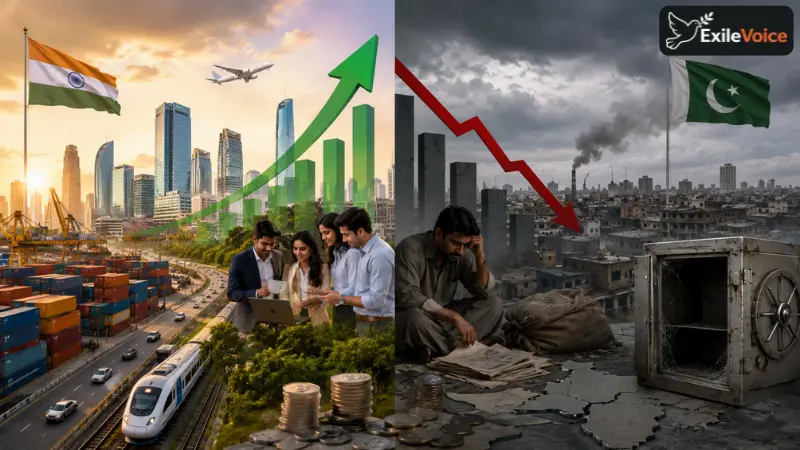
The divergence between the economic trajectories of India and Pakistan has become increasingly pronounced, underscored by recent foreign direct investment (FDI) announcements. Amazon’s commitment to invest $48 billion in India between 2026 and 2030 serves as a powerful indicator of investor confidence in the Indian market. This move, following similar announcements from global giants like Apple and Tesla, reinforces India’s position as a burgeoning global economic hub with a projected growth rate of 6.5%.
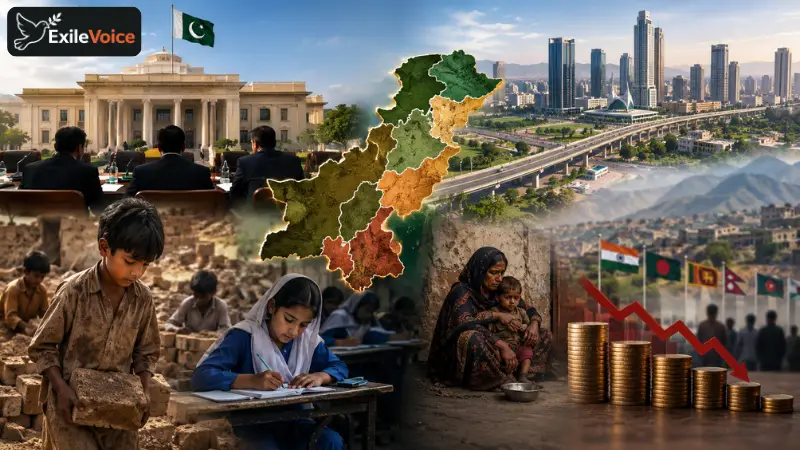
In contrast, Pakistan’s economic landscape presents a markedly different picture. While the state has established initiatives like the Special Investment Facilitation Council (SIFC) to attract capital, actual inflows have fallen short of initial projections. Economic analysts highlight the discrepancy between the optimistic rhetoric regarding foreign investment and the reality of depleting foreign exchange reserves. Current data suggests that Pakistan's reserves have faced significant strain, impacting the country’s ability to stabilize the economy.
The fiscal disparity is further highlighted by the government’s approach to public spending and institutional management. While public sector expenditures and administrative salaries have seen significant increases, investments in infrastructure and social welfare have faced criticism. The contrast in economic management, specifically regarding how different governments handle currency reserves, FDI, and public subsidies, continues to be a focal point for researchers examining South Asian economic development.