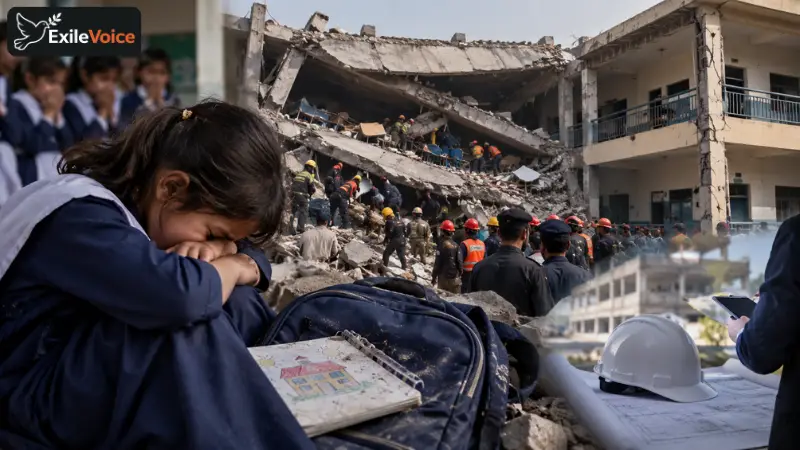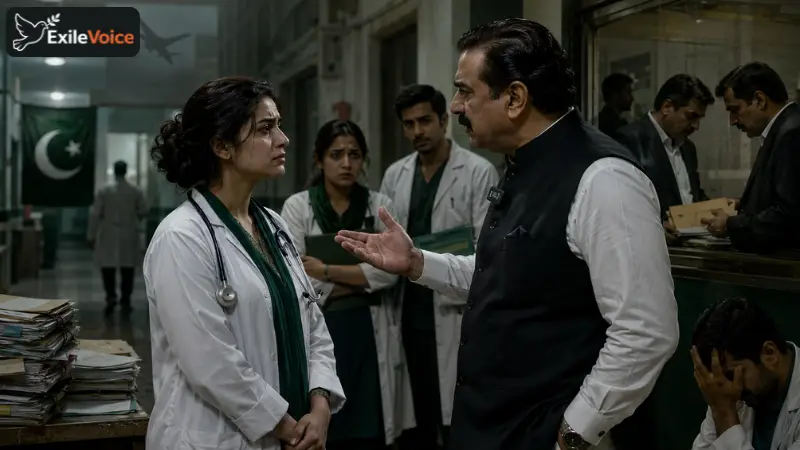
A series of viral videos from Burewala and Sargodha has reignited a national debate regarding the deteriorating relationship between Pakistan’s civil bureaucracy and its professional class. In one distressing instance, an Assistant Commissioner was recorded speaking in a derogatory and condescending tone toward a female medical doctor. The official's behavior, marked by a lack of professional etiquette and the use of a lapel microphone to record the encounter, suggests a performative style of governance that prioritizes "optics" over systemic reform.
This incident is not an isolated one. In Sargodha, the CEO of the Health Department was recently apprehended by anti-corruption authorities for allegedly demanding a bribe in the form of a sacrificial camel from a contractor. These events highlight a profound ethical vacuum within the administrative tiers of the state. While the political leadership often portrays an image of "public service," the ground reality reveals a culture of intimidation and corruption that is driving the nation’s brightest minds to seek opportunities abroad.
The contrast with international standards is stark. In developed democracies like the United Kingdom, professional autonomy is fiercely protected; even prime ministers are held accountable by medical staff when entering healthcare spaces. In Pakistan, however, the "Field Marshal" culture of top-down command has trickled down to the lowest levels of the bureaucracy. If the state continues to allow administrative officers to humiliate doctors and engineers, it risks the total collapse of its human capital. Respect for the professional class is not a luxury; it is a prerequisite for a functioning society.